
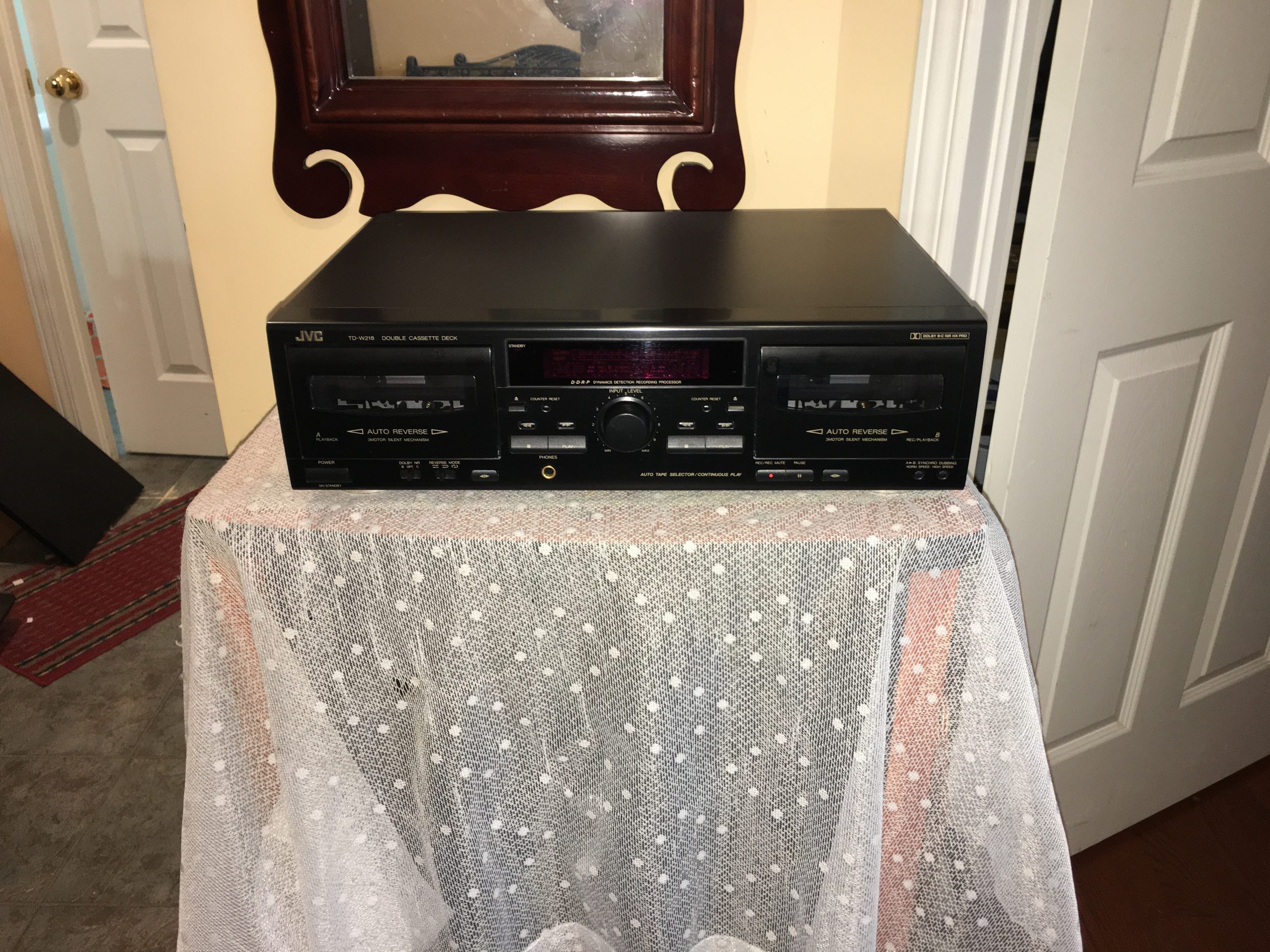
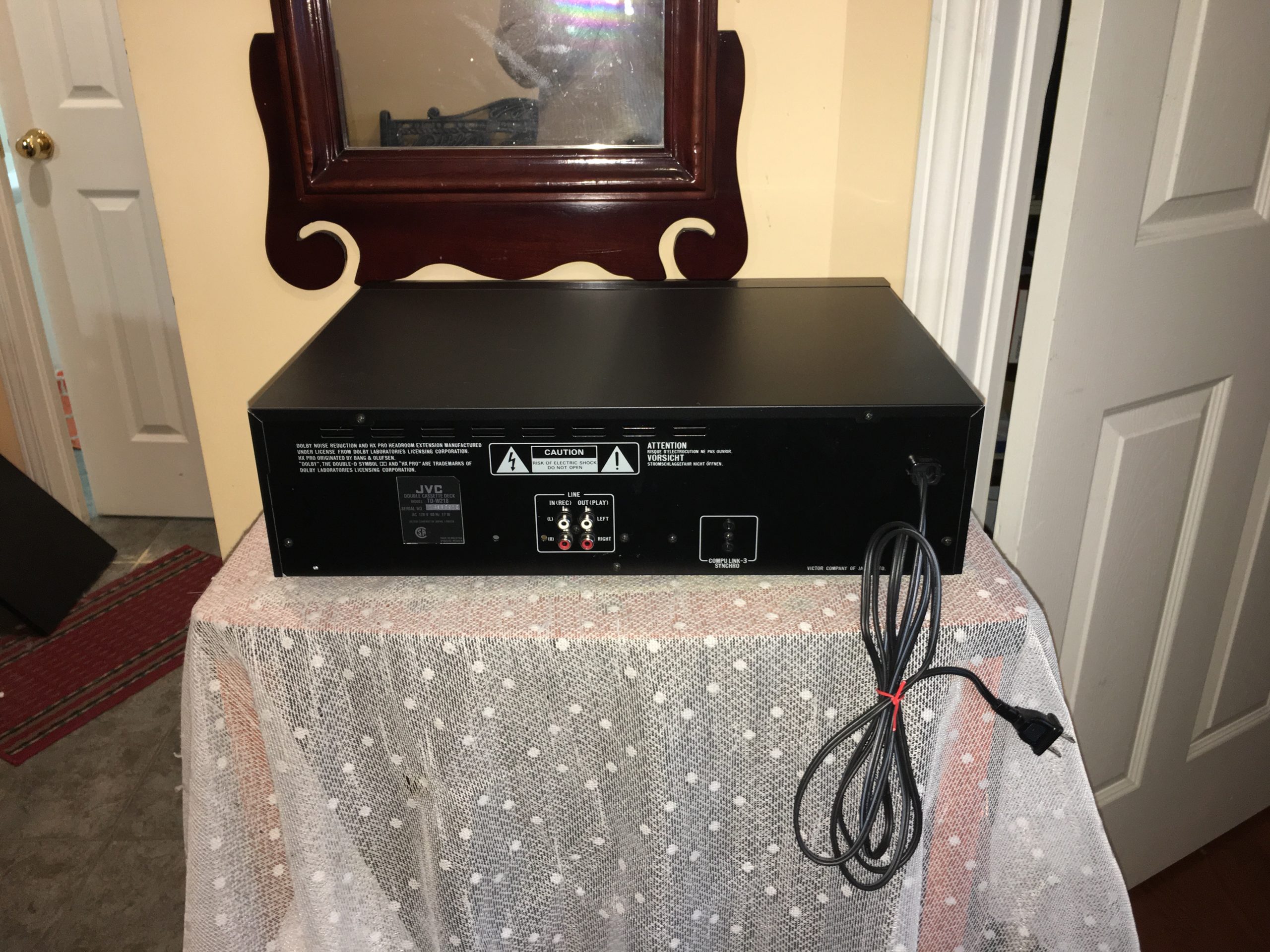
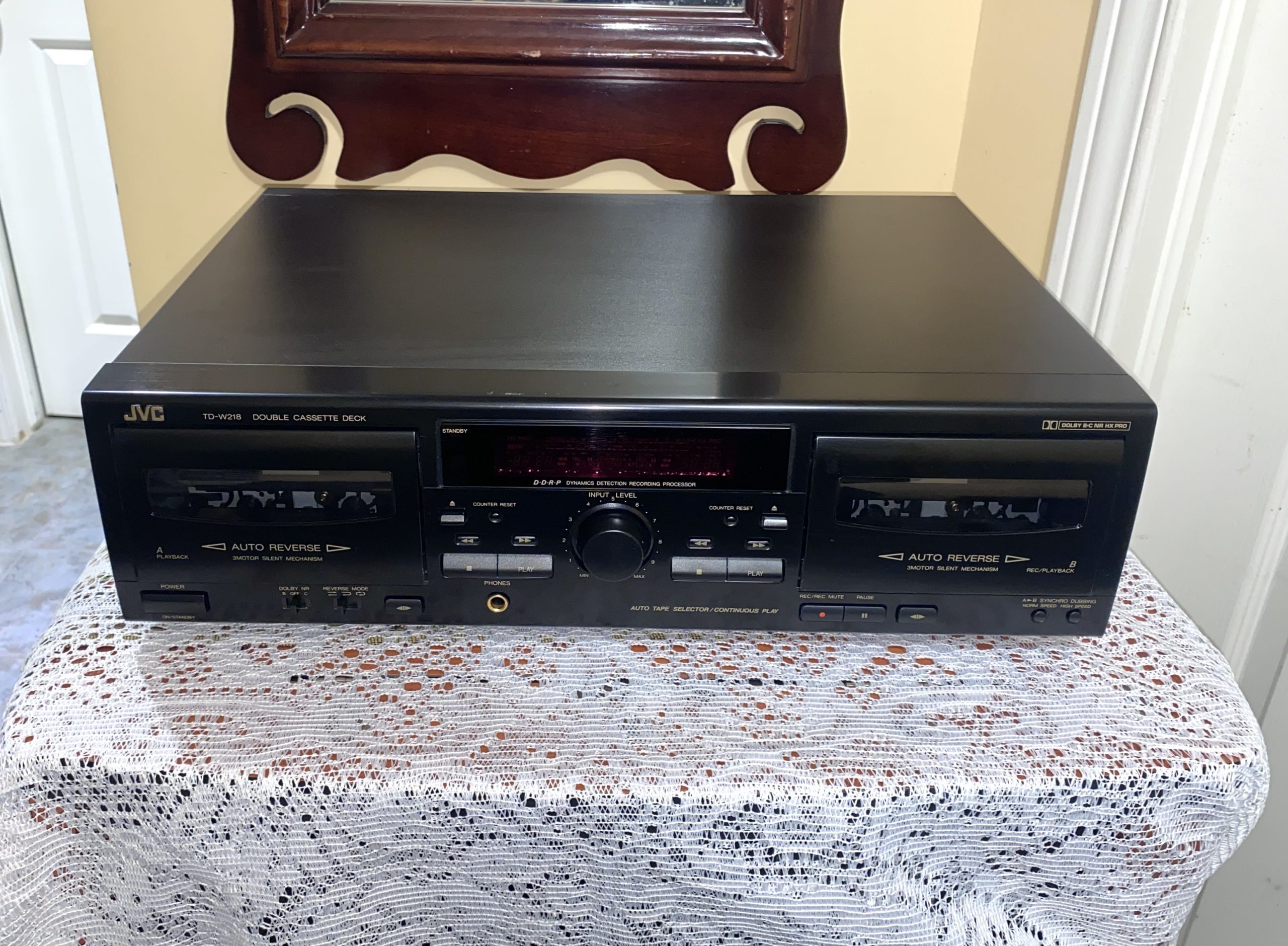
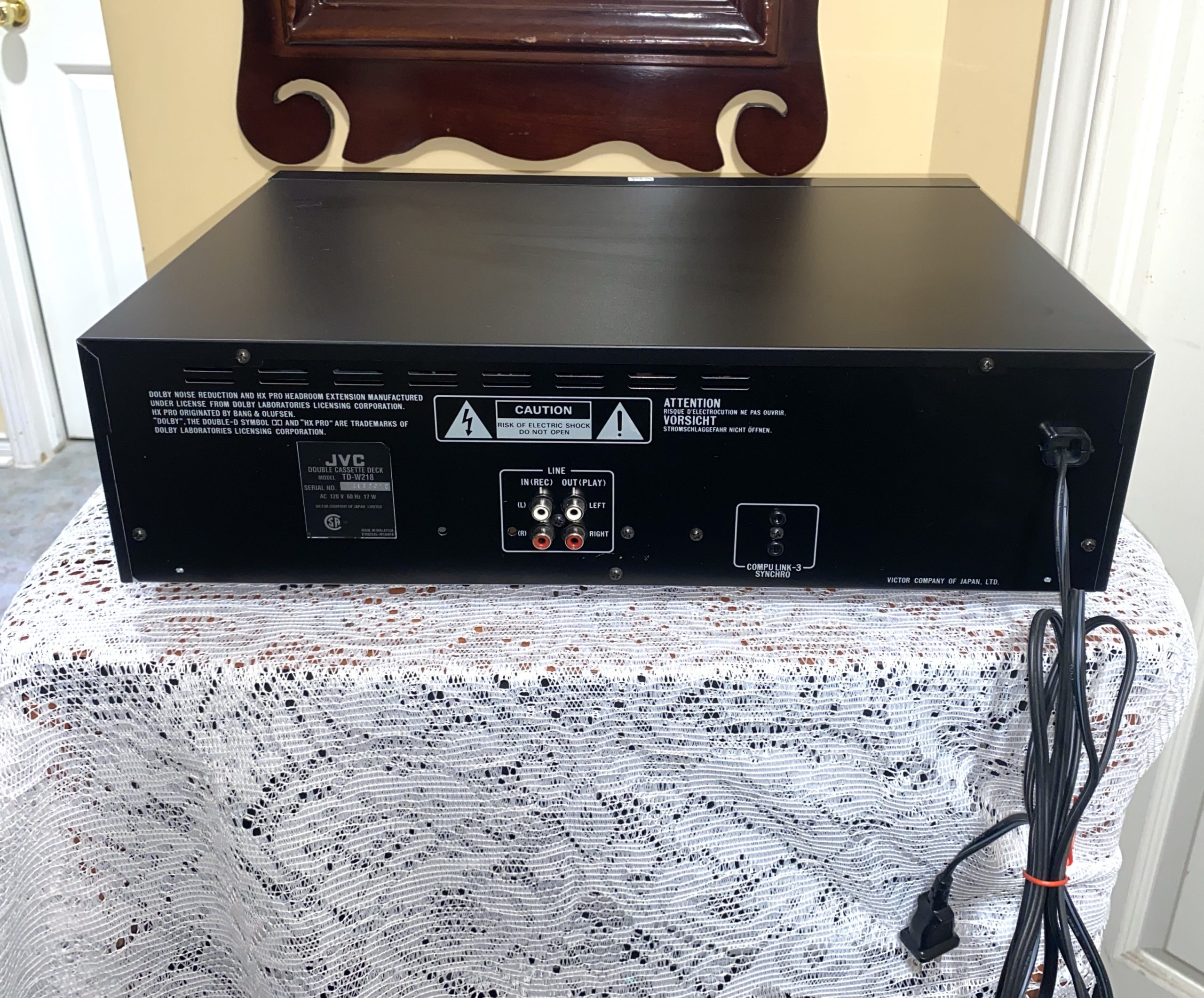

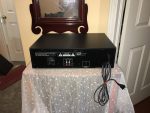
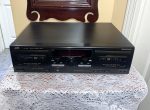
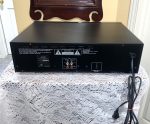


JVC 3 Motor Dual Cassette Deck with Auto-Reverse TD-W218
$145.00
Out of stock
Get first dibs on the next one
The JVC TD-W218 Double Cassette Deck with Auto-Reverse on Both Decks
Experience the nostalgia of analog audio with the JVC TD-W218, a robust double cassette deck designed for music enthusiasts. This model features Dolby B noise reduction, which effectively minimizes tape hiss, enhancing your listening experience.
Key features include: JVC’s 3 Motor “Silent Mechanism” Dual cassette playback and recording capabilities Supports normal, chrome, and metal tape types Mechanical tape eject for reliable operation RCA connections for easy integration with other audio components Tape type selection for optimal sound quality
Product specifications: Manufacturer: JVC Model: TD-W218 Type: Double cassette tape deck Years of manufacture: 1995 – 1997 Color: Black
Dimensions: (Width x Height x Depth) 435 x 134 x 279 mm (17.1 x 5.3 x 11 inches) Weight: 3 kg (6.6 lbs)
The JVC TD-W218 is a perfect addition for those looking to enjoy or preserve their cassette collection. With its reliable performance and quality sound reproduction, this deck is a must-have for any vintage audio setup. Don’t miss your chance to own this classic piece of audio equipment!
Asking $145 for this late-model JVC Dual Cassette deck, tested thoroughly and working well.
| Weight | 9 lbs |
|---|---|
| Dimensions | 15 × 21.1 × 9.3 in |
| Cassette Wells | Dual Well (Dubbing) |
| Noise Reduction | Dolby B |
Related Products
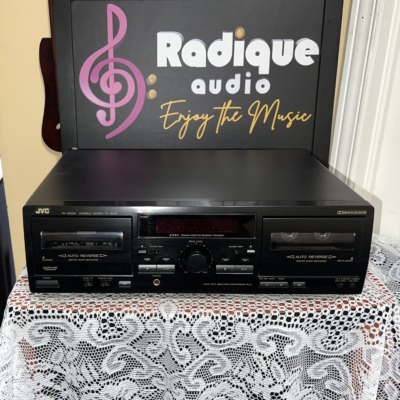
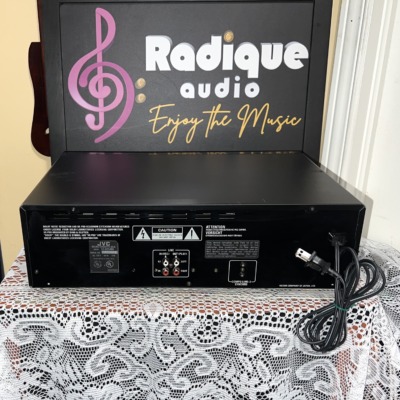
JVC TD-W254 Dual Cassette Deck – Serviced, Auto-Reverse, HX Pro
A JVC dual cassette deck with auto-reverse on both transports, serviced on our bench and in good condition.
✔️ Good condition — light scuffs on the top cover, described below
✔️ Serviced on our bench, every function tested
✔️ Two auto-reverse decks, Dolby B and C with HX Pro, high-speed dubbing
✔️ Covered by Radique Warranty
✔️ Includes Perpetual Trade-Back Program eligibility
✔️ Expertly packed for safe shipping
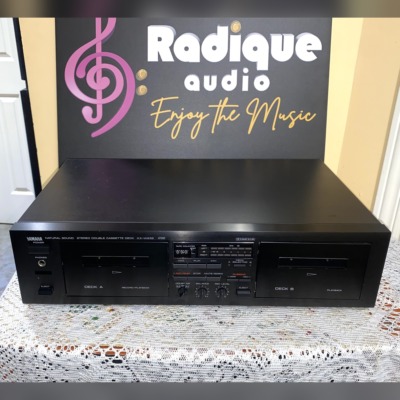
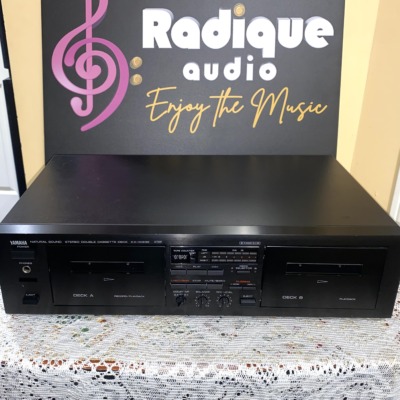
Yamaha KX-W232 Dual Cassette Deck – Dolby B & C, Made in Japan
A Japanese-built Yamaha dual cassette deck from the early nineties, tested on our bench and in good condition, priced to reflect one door quirk we describe below.
✔️ Good condition — a rear-panel crack and a Deck A door quirk, both explained below
✔️ Tested on our bench and working as it should
✔️ Two decks with Dolby B and C — made in Japan
✔️ Covered by Radique Warranty
✔️ Includes Perpetual Trade-Back Program eligibility
✔️ Expertly packed for safe shipping
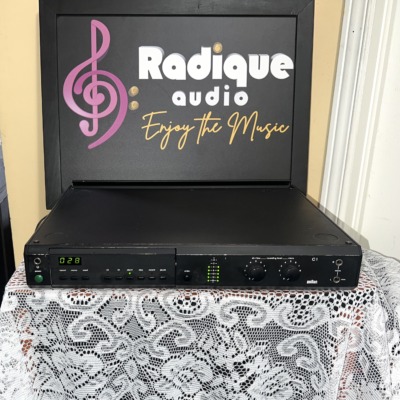
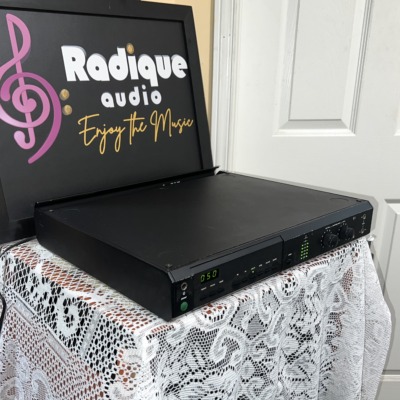
Braun Atelier C1 Slim Cassette Deck — Motorized Drawer, Japan
70 mm tall, almost exactly the height of a cassette case, and that is not a coincidence. The tape does not stand upright behind a door the way it does in every Japanese deck of the era — it lies flat and is drawn in horizontally on a motorised tray, the mechanism disappearing into a slot barely thicker than the cassette itself. The C1 arrived in 1980, two years before a CD player made that gesture familiar. Built for Braun in Japan, the matching deck to the Atelier A1 and T1. Good condition.
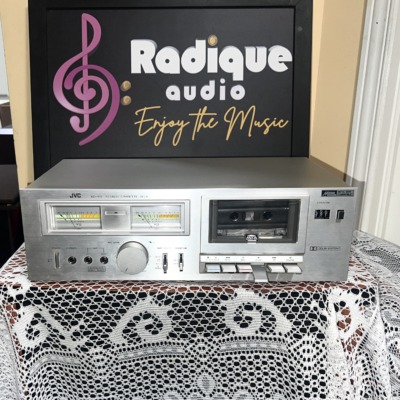
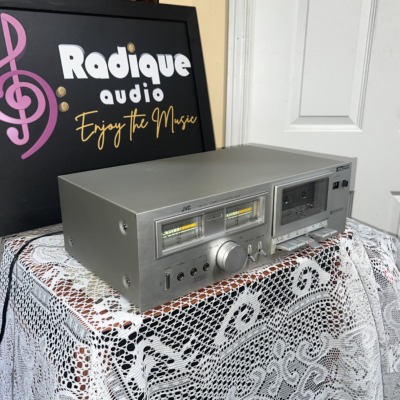
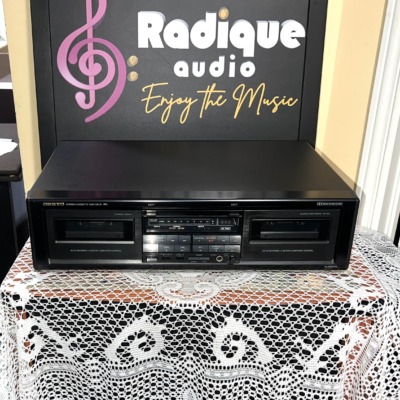
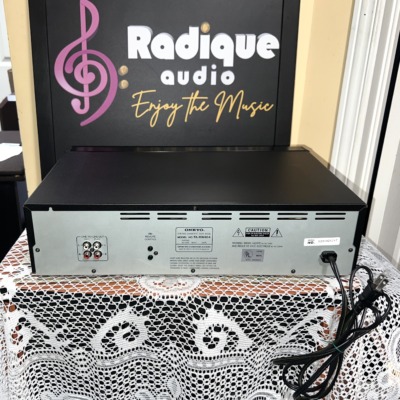
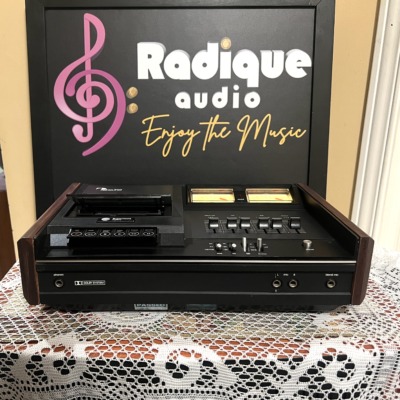
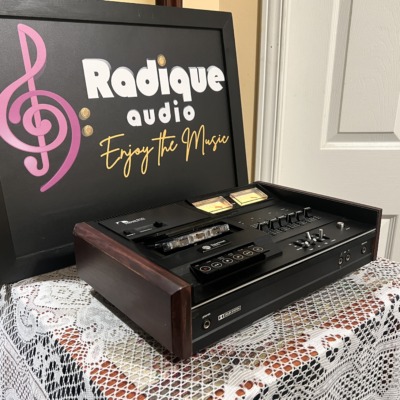
Nakamichi 500 Dual-Tracer Cassette Deck – Walnut, Made in Japan
Nakamichi's mid-seventies top-loading deck with walnut side panels, serviced on our bench and playing as it should.
✔️ Good condition — honest general wear for a fifty-year-old deck, and no damage
✔️ Serviced on our bench — our standard cassette deck service before it was listed
✔️ Walnut side panels fitted, with the original white side panels included
✔️ Covered by Radique Warranty
✔️ Includes Perpetual Trade-Back Program eligibility
✔️ Expertly packed for safe shipping
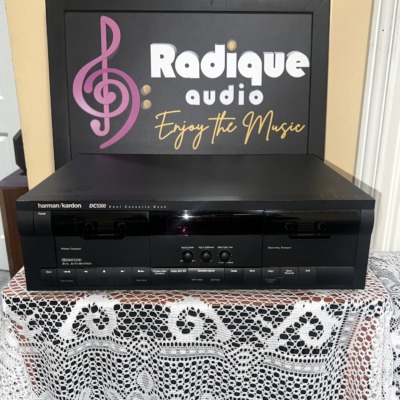
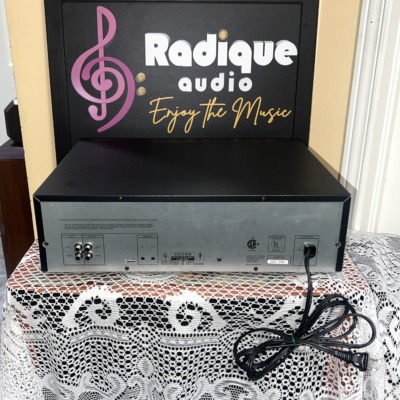
Harman Kardon DC5300 Dual Cassette Deck – Serviced, Japan
A Japanese-built Harman Kardon dual cassette deck from the early nineties, serviced on our bench and in very good condition.
✔️ Very Good condition — faceplate, cassette doors and display window present cleanly
✔️ Serviced on our bench — our standard cassette deck service before it was listed
✔️ Two auto-reverse decks with Dolby B and C, made in Japan
✔️ Covered by Radique Warranty
✔️ Includes Perpetual Trade-Back Program eligibility
✔️ Expertly packed for safe shipping
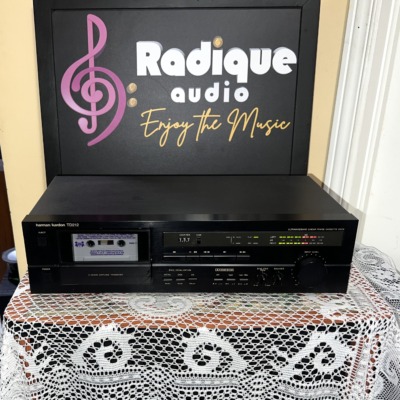
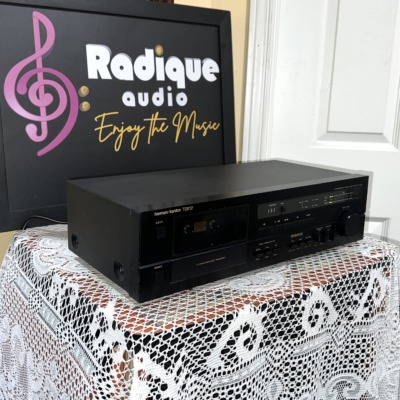
Harman Kardon TD212 Cassette Deck – Serviced, Dolby B & C, Japan
A Japanese-built Harman Kardon cassette deck from the late 1980s, serviced on our bench and in very good condition.
✔️ Very good condition — free of significant marks
✔️ Serviced on our bench: tape path and heads cleaned, every function tested
✔️ Dolby B and C, metal-tape capable — made in Japan
✔️ Covered by Radique Warranty
✔️ Includes Perpetual Trade-Back Program eligibility
✔️ Expertly packed for safe shipping
