

AKAI AT-A1 AM/FM Stereo Tuner – Ultra Slim Profile
$65.00
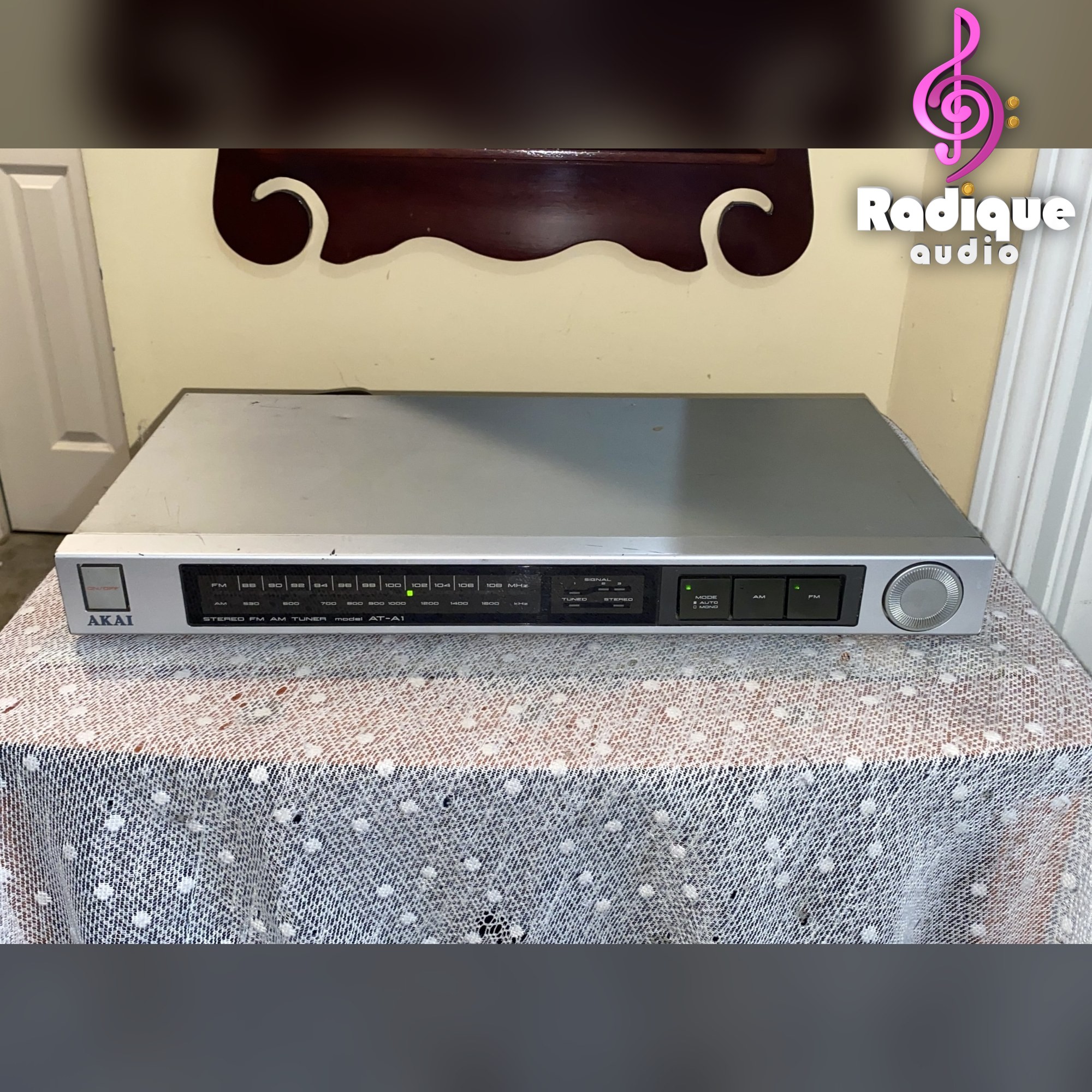
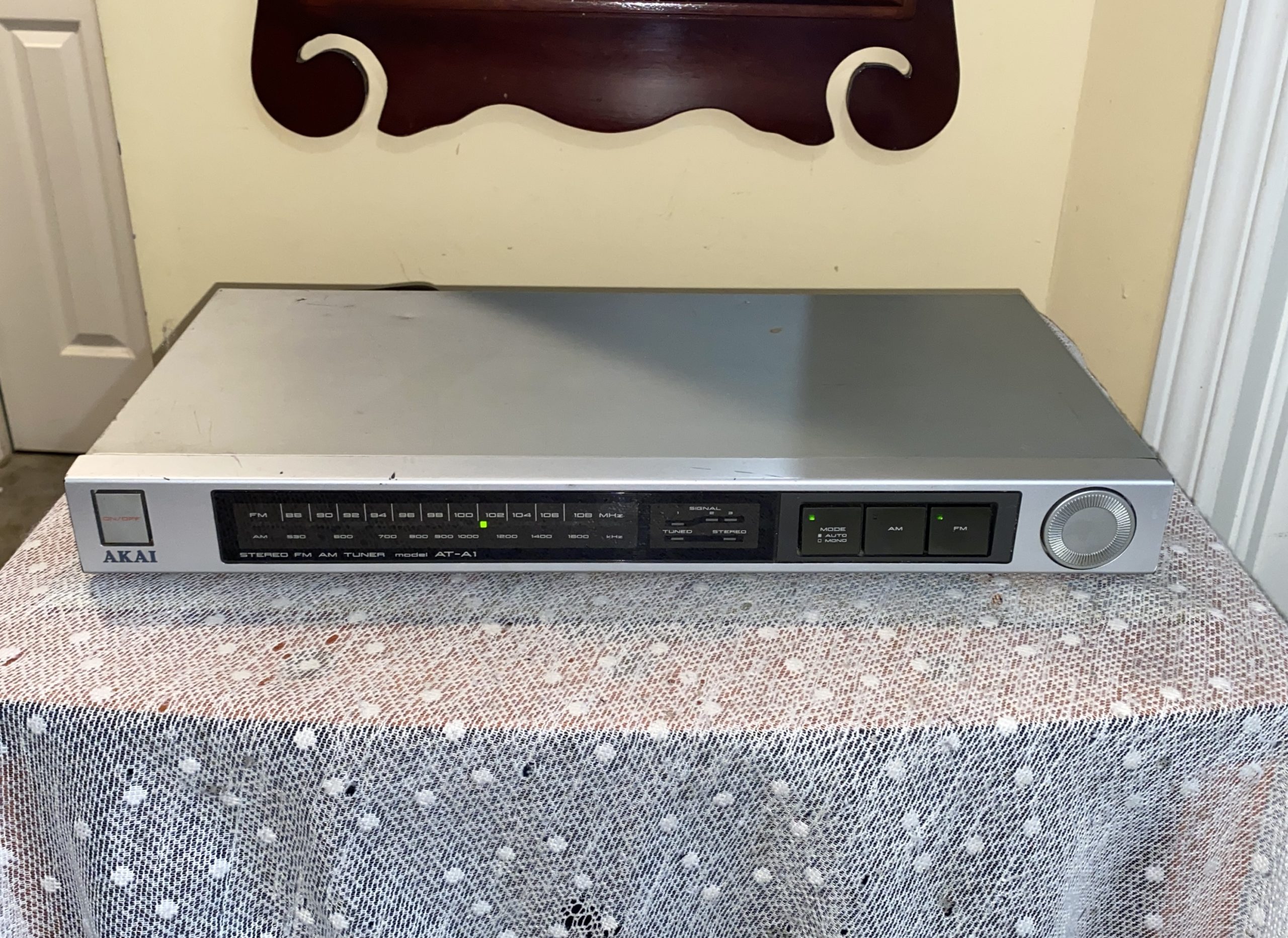
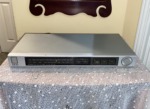
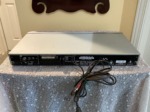
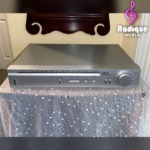
An analog tuner from 1980 in a chassis 50mm tall — two inches, which is about as thin as a full-width component gets. Needle-pointer dial with a printed scale, an AM/FM selector, a single RCA output, and nothing else. Tuning engages smoothly across both bands and the output is clean. Condition good, with a clean front bezel and honest age on a 45-year-old component.
1 in stock
AKAI AT-A1 AM/FM Stereo Tuner – Ultra Slim Profile
AKAI’s elegantly compact analog-tuned FM/AM receiver from 1980 delivers straightforward station access and clean audio in one of the slimmest tuner profiles ever manufactured. The mechanical tuning system offers intuitive hands-on control and the reliability of analog simplicity—no electronics to age or fail.
This unit has been thoroughly tested and verified: tuning mechanisms engage smoothly across both FM and AM bands, dial pointer movement is responsive, and audio output delivers clean signal to any amplifier or receiver. Cosmetically, this tuner presents in good condition with clean front bezel and normal signs of age appropriate for a 45-year-old component.
The AT-A1’s defining characteristic is its ultra-slim profile—just 50mm (2 inches) tall, making it the most stackable, shelf-friendly tuner in any vintage collection. Perfect for shelving beside turntables, integrating into compact systems, or positioning in tight audio racks. The analog tuning dial is easy to read and manipulate, requiring no batteries or digital display maintenance. The straightforward AM/FM band switching and minimal button count reflect AKAI’s design philosophy: get out of the way and let the music through.
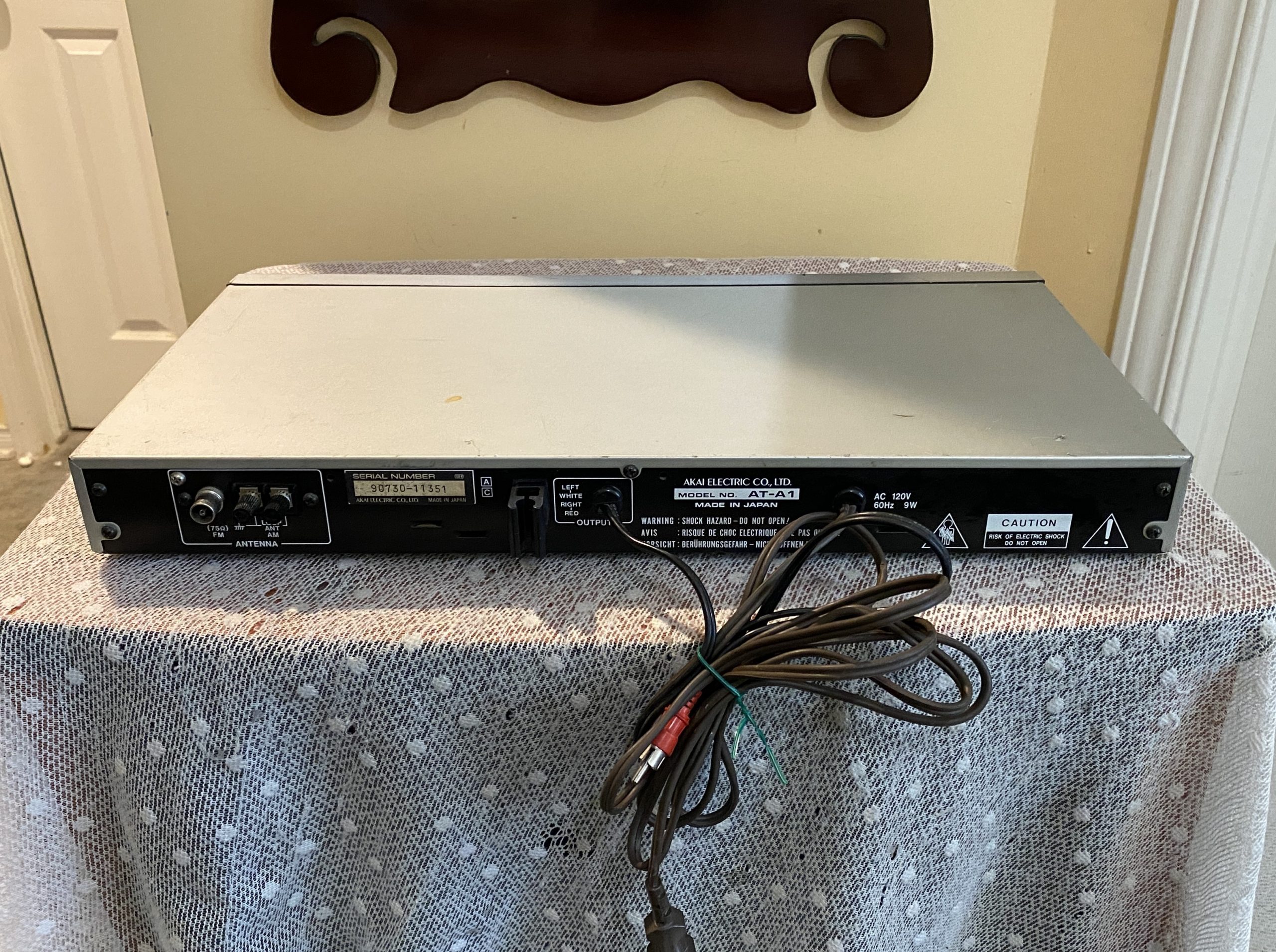
Front-panel operation features a traditional needle-pointer tuning dial with printed frequency scale, dedicated AM/FM band selector, and a single output jack for amplifier connection. The mechanical design means zero digital drift, zero display maintenance, and zero complexity. What you see is what you get: honest, functional FM/AM reception.
At 2.5 kg (5.5 lbs), the AT-A1 represents ultra-lightweight engineering, ideal for portable systems, secondary setups, or minimalist audio arrangements. The metal chassis is robust despite the compact footprint, reflecting AKAI’s mid-tier quality positioning.
Key Features & Specifications:
Analog mechanical FM/AM stereo tuner
Needle-pointer dial with printed frequency scale
Ultra-slim 50mm chassis depth—most compact AKAI tuner design
FM/AM band selector
Single RCA output for amplifier connection
Simple, maintenance-free operation; no electronics to age
Lightweight (2.5 kg / 5.5 lbs) for easy placement
Thoroughly tested; all functions verified working
Good cosmetic condition
Dimensions: 440 x 50 x 240 mm (17.3 x 2 x 9.4 inches)
Weight: 2.5 kg (5 lbs 8 oz)
For minimalists and vintage enthusiasts seeking the thinnest, most elegant analog tuner for shelving or secondary systems, the AT-A1 is unmatched in footprint efficiency.
Backed by Radique Audio’s Bumper-to-Bumper Warranty and our Perpetual Trade-Back Program, you can purchase with confidence.
| Weight | 7.5 lbs |
|---|---|
| Dimensions | 13.4 × 21.3 × 6 in |
Akai was founded in Tokyo in 1929 by Masukichi Akai and his son Saburo as Akai Electric Company, a maker of radio parts. We carry vintage Akai stereo receivers, integrated amplifiers, tuners and cassette decks. We've had 18 Akai listings so far, covering 16 different models. Every used Akai here is inspected, tested and serviced as required, then photographed in-house and covered by our Bumper-to-Bumper Warranty and Perpetual Trade-Back Program. Don't see the model you want? Tell us on First Dibs and we'll email you when one arrives.
Akai models we've sold so far include the AM-U3 integrated amplifier, the AA-1030, AM-A3 and AM-U11 receivers, and the HX-A451W cassette deck.
The Akai story
Masukichi Akai started making radio components in Tokyo in 1929, and his son Saburo grew up in the factory. Some sources date the company to 1946, after the war.
Tape. Akai's first reel-to-reel, the AT-1, was offered as a kit in 1954, and the company became best known outside Japan for its tape recorders of the 1960s and 1970s, sold in the US through Roberts Electronics.
Hi-fi and music. Akai made receivers, amplifiers, tuners and cassette decks, and around 1980 started Akai Professional, which moved into electronic music in 1984.
Today. Akai Electric filed for insolvency in November 2000. The Akai name has since been used on products made by others, and Akai Professional, sold in 1999, is now owned separately.
Which Akai is which?
Reel-to-reel decks (1950s to 1980s): such as the 4000DS and the GX models.
AA receivers: such as the AA-1030, AA-R22 and AA-R31.
AM integrated amplifiers: such as the AM-A3, AM-U3 and AM-U11.
Tuners and cassette decks: AT tuners such as the AT-K03, and cassette decks such as the HX-A451W.
You may also like…

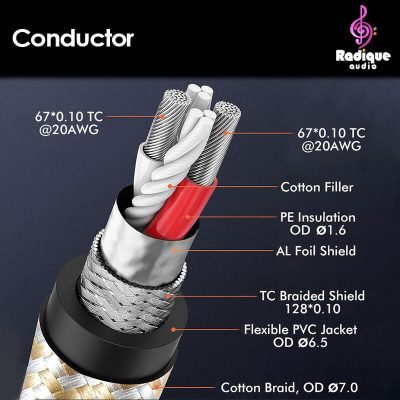
Radique Audio Gold Series RCA Stereo Interconnect Cable
RCA cables that are kind to vintage jacks: dual RCA to dual RCA, in 0.2, 0.75 or 1.5 m.
- Slim gold-plated plugs with vintage-safe grip pressure
- Dual shielding: aluminum foil and 128-strand braided copper
- Reinforced splitters; 7 mm gold cotton and nylon mesh jacket
- Three lengths, chosen above the Add to Cart button
- 1-year warranty

Related Products
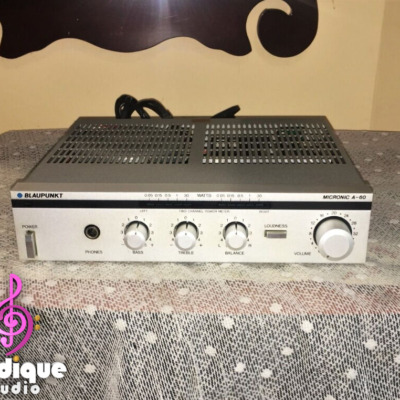
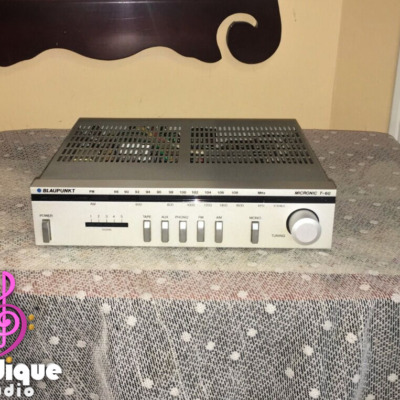
Blaupunkt Micronic A-60 + T-60 Micro System – 20 WPC, Bundle
The complete Blaupunkt Micronic 60 system from 1981, the A-60 amplifier and the matching T-60 AM/FM tuner and preamplifier, together for less than buying them separately.
✔️ Tested on our bench, both units
✔️ Both very good
✔️ Radio, phono, tape and a 20-watt amplifier in a stack 25 cm wide
✔️ Covered by Radique Warranty
✔️ Includes Perpetual Trade-Back Program eligibility
✔️ Expertly packed for safe shipping
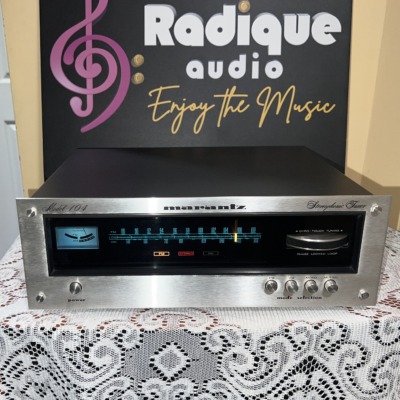

Marantz Model 104 AM/FM Tuner — Made in Japan, Excellent
We sold this tuner ourselves and it came back through our Perpetual Trade-Back Program — so we know what it was when it left, and it has been through our bench again since. A 1976 Model 104 in excellent cosmetic condition: silver face, blue dial lighting, made in Japan.
Braun Atelier T1 Slim AM/FM Tuner — 9 Presets, Quartz, Japan
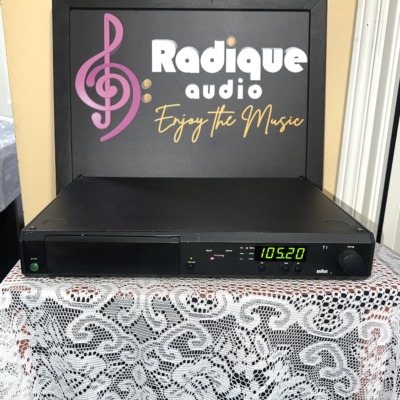
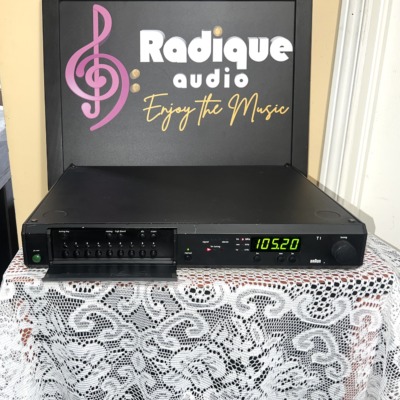
An analogue tuner given a quartz-referenced five-digit readout — the precision of a synthesised design with a real analogue front end behind it, which tends to hold a weak signal more gracefully. The nine presets are not memories: each station button carries its own tuning adjustment, set by hand with a small screwdriver through the panel, so it is effectively nine little tuners in one chassis. Made in Japan, 445 mm wide and 70 mm tall to match the Atelier deck. Good condition.
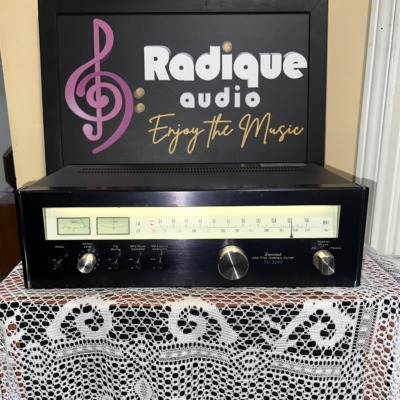
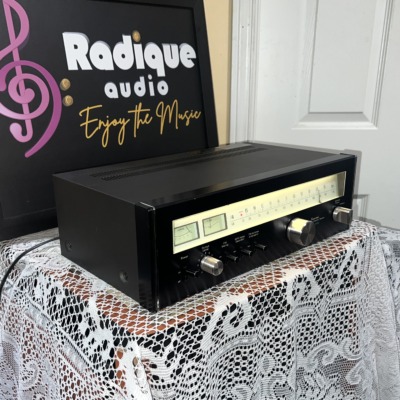
Sansui TU-5900 AM/FM Stereo Tuner — Dolby FM, Made in Japan
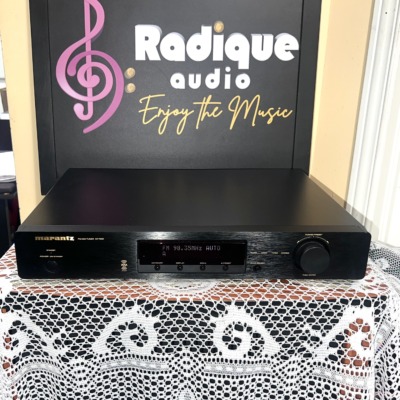
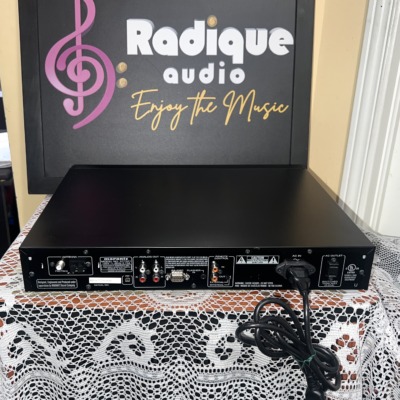
An analogue AM/FM stereo tuner from Sansui's strongest years, built in Japan in the mid-seventies as the matching partner to the AU-series integrated amplifiers, and a good deal more serious inside than its modest size suggests.
✔️ Condition: Very Good
✔️ Level One — named in the copy
✔️ Covered by Radique Warranty
✔️ Includes Perpetual Trade-Back Program eligibility
✔️ Expertly packed for safe shipping
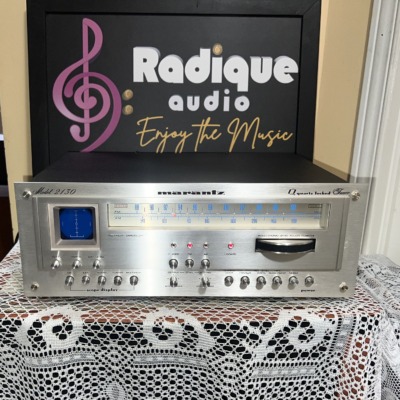
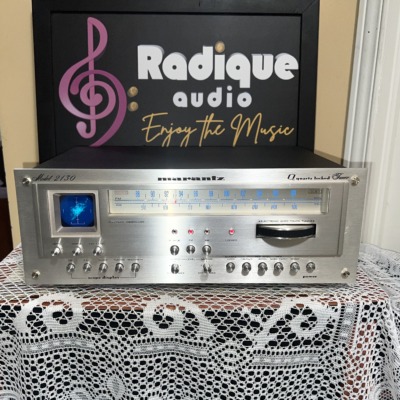
Marantz Model 2130 AM/FM Tuner – Oscilloscope, Original Box
Marantz's quartz-locked flagship tuner with its built-in oscilloscope, in excellent condition and complete with its original Marantz carton.
✔️ Excellent condition — the scope traces cleanly, and the original Marantz carton is included
✔️ Tested on our bench and needed no service
✔️ Built-in oscilloscope, quartz lock and wide/narrow IF — Marantz's flagship tuner of 1978
✔️ Covered by Radique Warranty
✔️ Includes Perpetual Trade-Back Program eligibility
✔️ Expertly packed for safe shipping
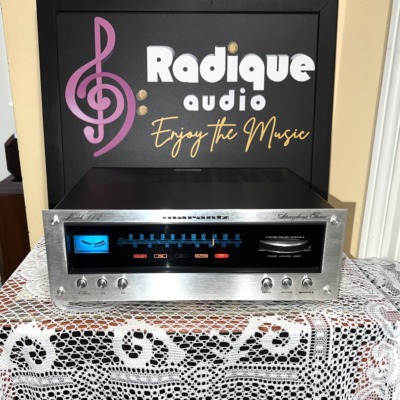
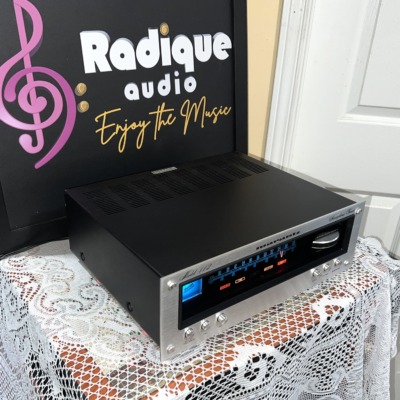
Marantz Model 112 Vintage AM/FM Stereo Tuner – Made in Japan
A mid-1970s Marantz Model 112 AM/FM stereo tuner, designed in the USA and made in Japan, serviced on our bench.
✔️ Serviced on our bench, dial lamps replaced
✔️ Very good condition
✔️ Gyro-Touch flywheel tuning, tuning meter, FM stereo in our bench test
✔️ Bare chassis, or in a cherry cabinet built by our master woodworker
✔️ Covered by Radique Warranty
✔️ Includes Perpetual Trade-Back Program eligibility
✔️ Expertly packed for safe shipping
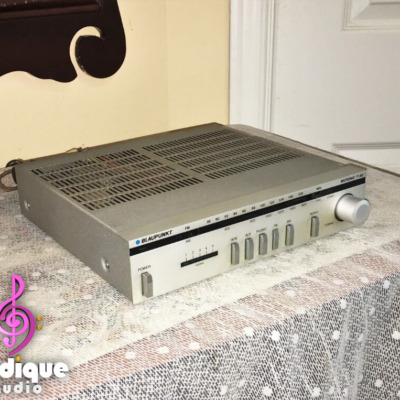
Blaupunkt Micronic T-60 AM/FM Tuner & Preamp – Made in Japan
A rare Blaupunkt Micronic T-60 AM/FM tuner and preamplifier from 1981, designed in Germany and made in Japan, with a phono input for your turntable.
✔️ Tested on our bench, every input, the output and the tuner
✔️ Very good condition
✔️ AM/FM tuner plus phono, aux and tape inputs
✔️ Covered by Radique Warranty
✔️ Includes Perpetual Trade-Back Program eligibility
✔️ Expertly packed for safe shipping
