
Sansui P-50 Belt-Drive Turntable – Made in Japan, Serviced
$245.00
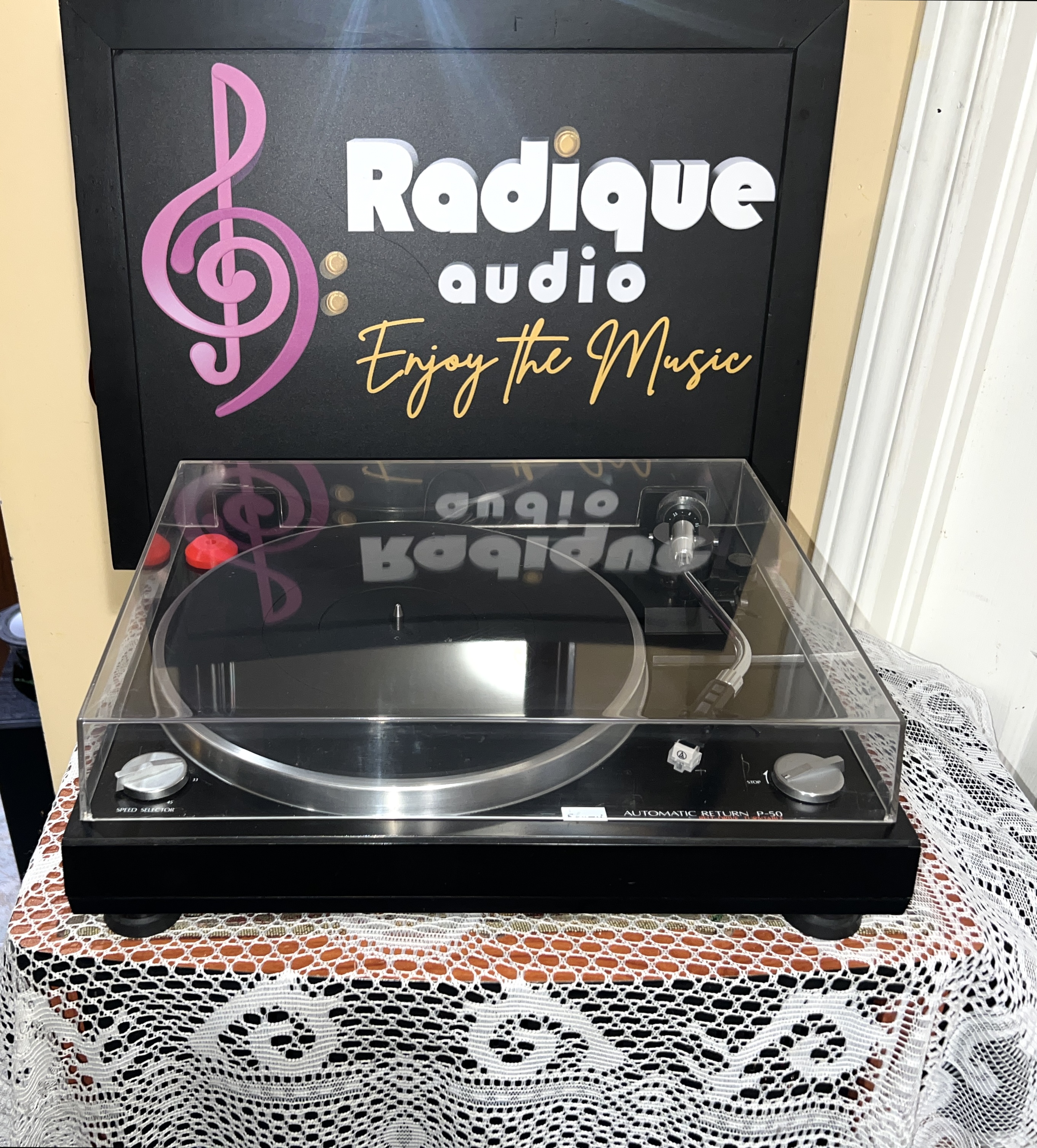
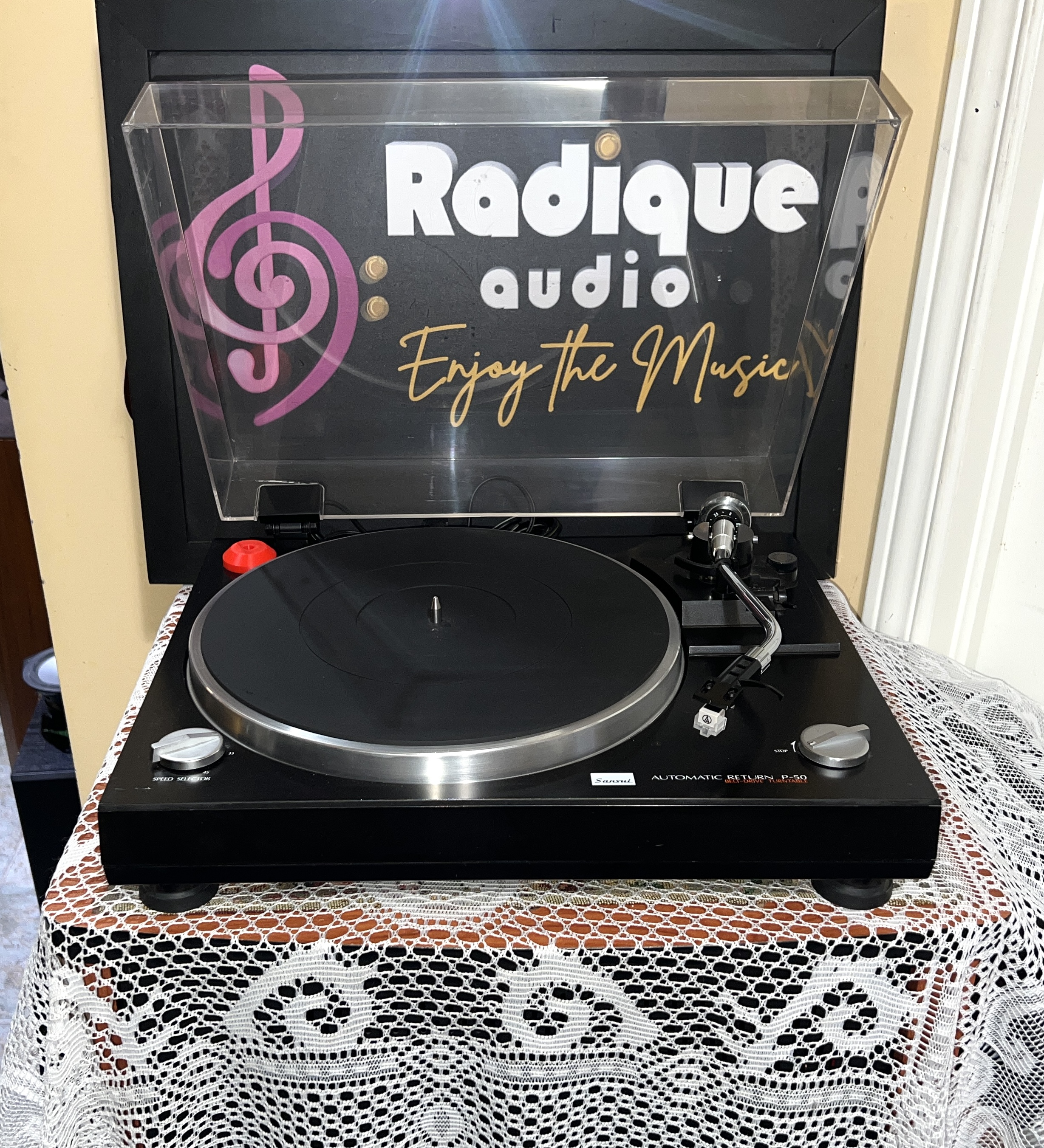
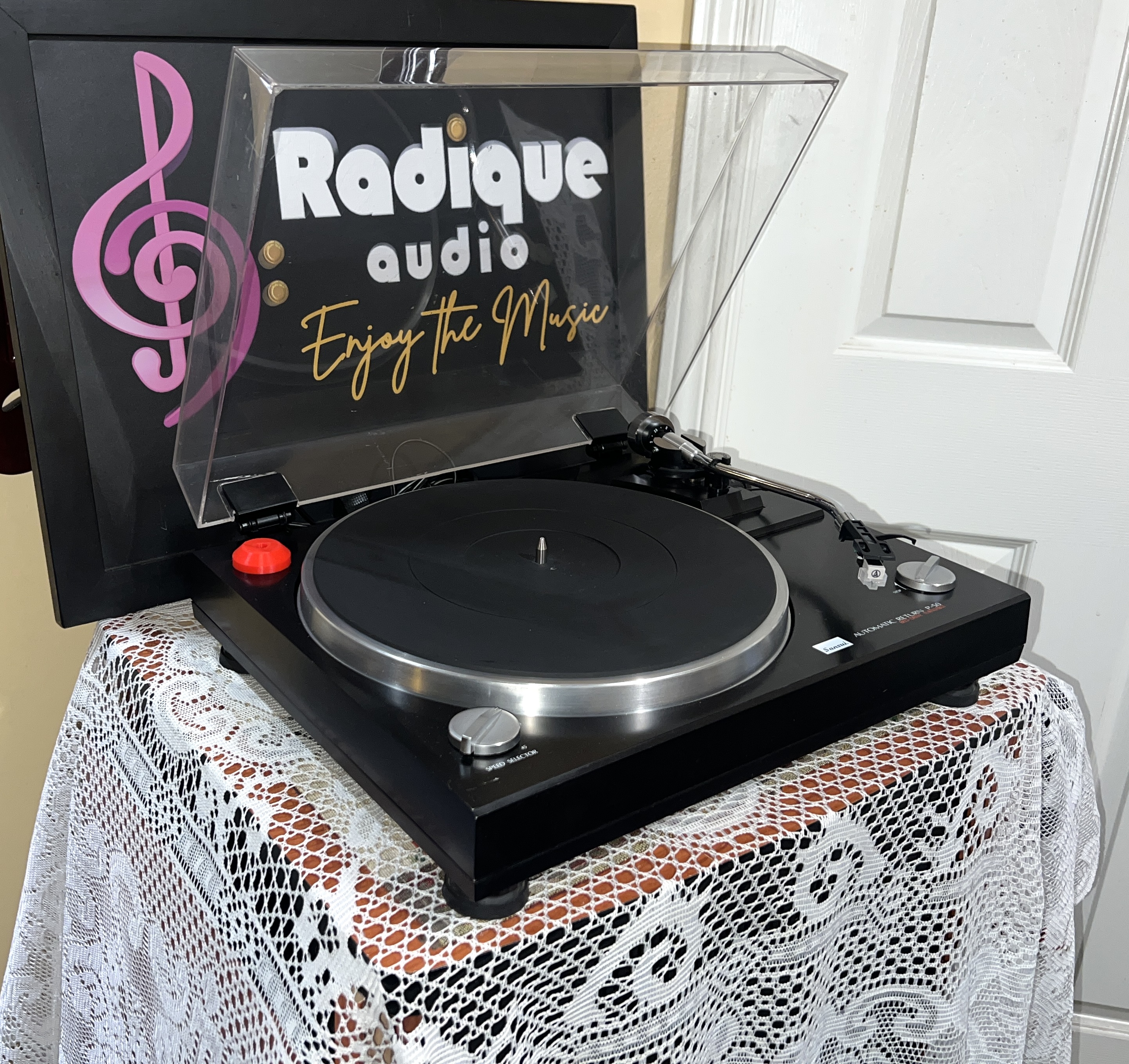
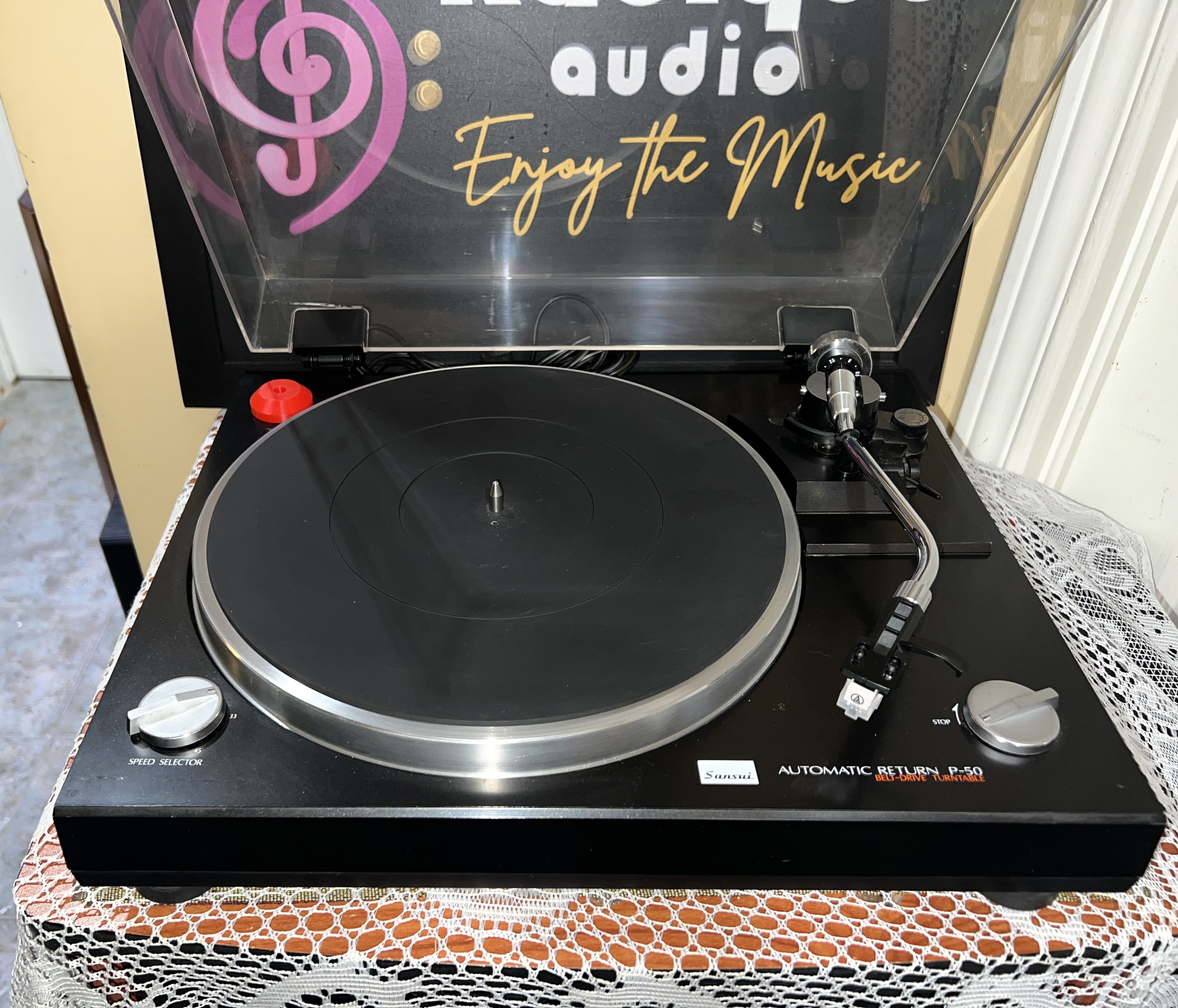
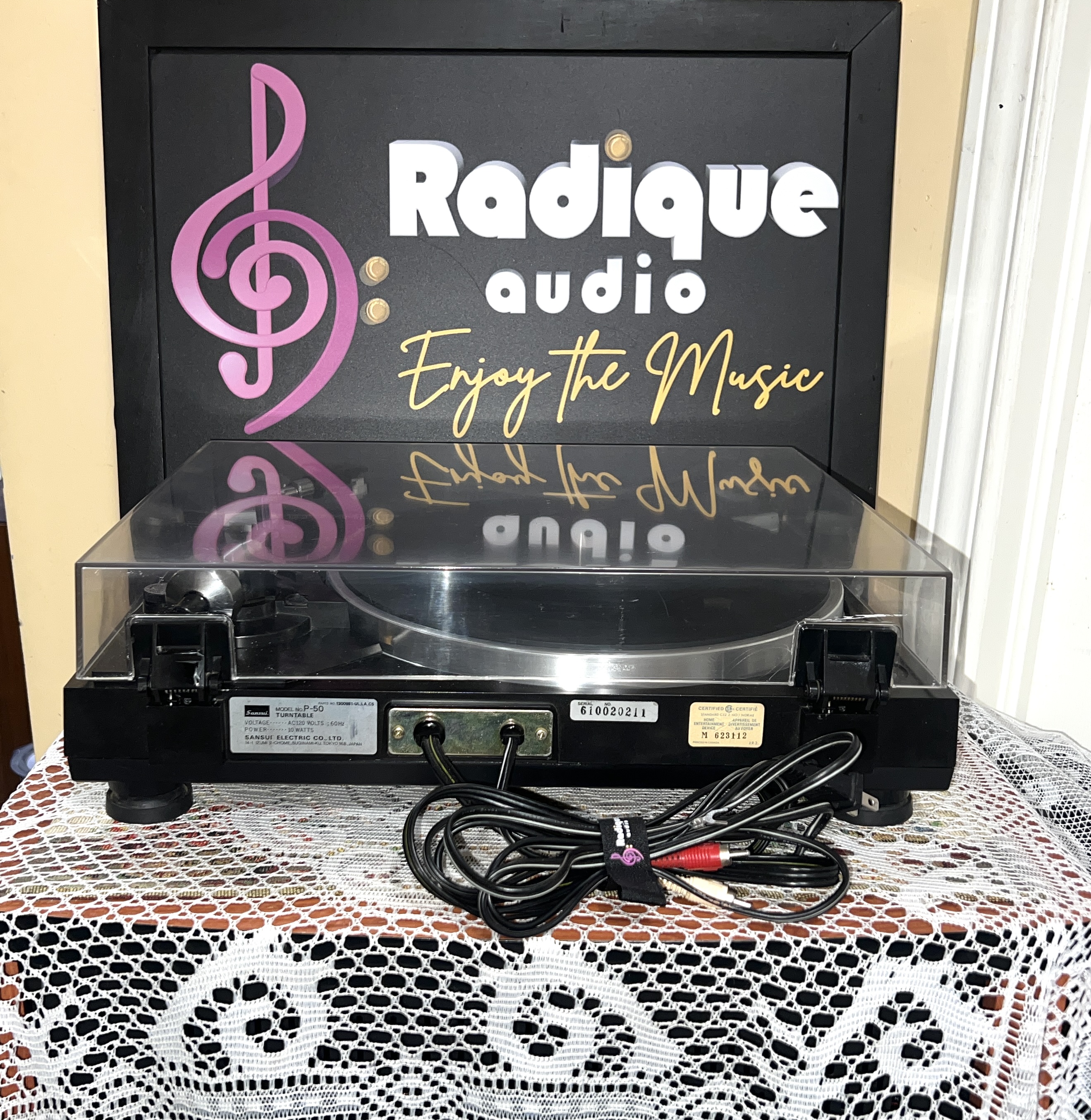
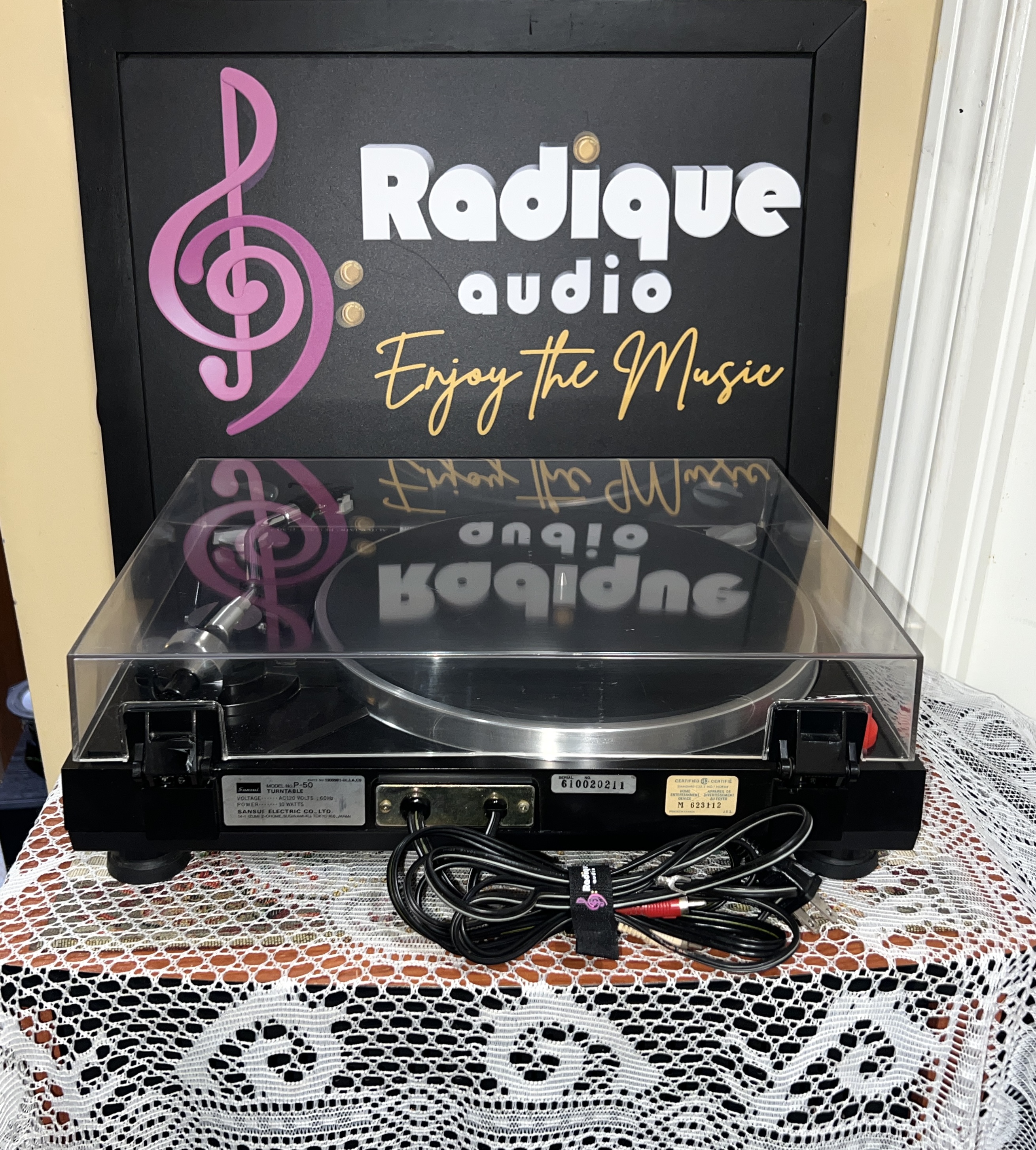
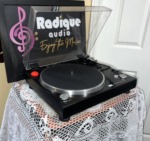
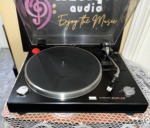
A vintage Japanese-built Sansui P-50 belt-drive turntable from the early 1980s, in black with a clear dust cover, freshly serviced with a new belt and a new stylus, and in very good condition.
✔️ Very good condition — free of significant marks, dust cover polished
✔️ Serviced: new belt, new stylus, auto-return adjusted, mechanism lubricated
✔️ Made in Japan, fitted with an Audio-Technica AT3600L cartridge
✔️ Covered by Radique Warranty
✔️ Includes Perpetual Trade-Back Program eligibility
✔️ Curbside delivery, local collection or freight within Canada
Out of stock
This one has sold. Want first dibs on the next one?
We take these in regularly. Leave your name and email, and we’ll email you the moment one is listed, so you hear first. No cost, no obligation.
Email me when one is listed
How we get a component ready for sale. What our bench covers →
Other turntables we have in stock now
3 in stock · $245.00–$295.00 · pickup in Kanata
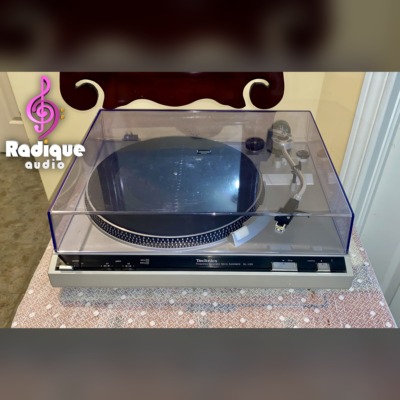 Technics SL-220 FG Servo Belt-Drive Turntable – Made in Japan Price range: $245.00 through $345.00Pickup in Kanata
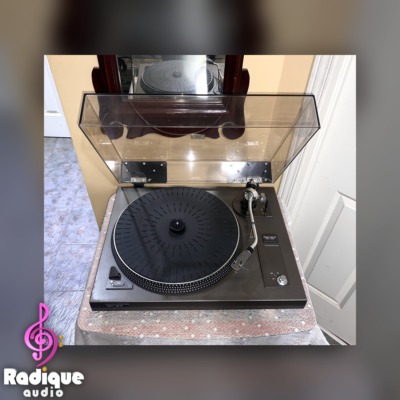 Vintage Garrard Direct Drive TurnTable, Fully Manual DD-130$245.00Pickup in Kanata
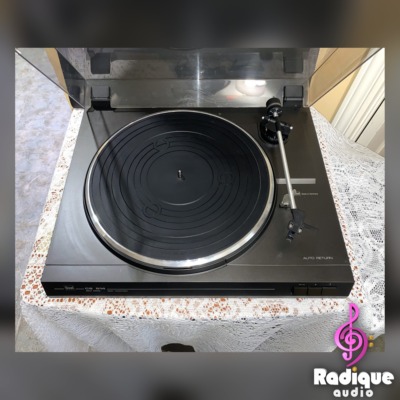 German-Made Dual Semi-Automatic Belt-Drive Turntable CS 514$295.00Pickup in Kanata
How we get a component ready for sale.
Before a used or vintage component is listed, it goes through our bench, and anything we service is tested again by a different tech. See exactly what our bench covers.
What our bench covers →A vintage Japanese-built Sansui P-50 belt-drive turntable from the early 1980s, in black with a clear dust cover, freshly serviced with a new belt and a new stylus, and in very good condition.
What it is
Sansui built the P-50 from 1980 to 1982 as a straightforward, well-made hi-fi turntable: two speeds, belt drive, and an automatic return that looks after your records and stylus at the end of every side. A four-pole synchronous motor turns a 308 mm die-cast aluminum platter through a belt, which keeps motor vibration away from the record, and Sansui rated wow and flutter at less than 0.06 percent.
It is simple to use. You set the arm over the record and lower it with the arm elevation lever; at the end of the side the tonearm lifts, returns to its rest and the turntable stops on its own. The stop control does the same thing whenever you want to finish a side early.
The tonearm is a statically balanced tubular design, 220 mm in effective length, with anti-skating. It carries an Audio-Technica AT3600L moving-magnet cartridge, our turntable technician’s go-to, fitted with a brand-new conical diamond stylus, so it is ready to play from the first side. Like any turntable of its era, the P-50 connects to the phono input on a receiver or amplifier, or to a separate phono preamp. The ground wire has been upgraded with a spade connector, for a secure fit on your amplifier’s ground terminal.
The service it has had
Serviced by our turntable technician: a new drive belt, a new stylus, the auto-return adjusted, and the whole mechanism lubricated. The dust cover has been polished, and the ground wire upgraded with a spade connector.
Condition
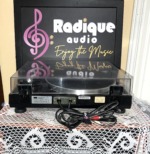
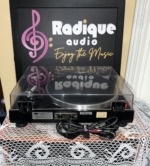
Very Good, and free of significant marks. The clear dust cover is polished, and the black plinth and deck present well, as the photographs show.
A Japanese belt-drive turntable that looks after your records, with a new belt and stylus and ready to play.
Sansui P-50 Specifications
- Type: two-speed belt-drive turntable with automatic return and stop
- Service: by our turntable technician; new belt, new stylus, auto-return adjusted, mechanism lubricated, dust cover polished, ground wire upgraded with a spade connector
- Motor: four-pole synchronous
- Speeds: 33⅓ and 45 rpm
- Platter: 308 mm die-cast aluminum
- Wow and flutter: less than 0.06%
- Signal-to-noise ratio: better than 60 dB
- Tonearm: statically balanced tubular arm, 220 mm effective length, anti-skating, arm elevation lever
- Cartridge: Audio-Technica AT3600L moving magnet, new 0.6 mil conical diamond stylus, 4.2 mV output, 20 Hz to 20 kHz
- Controls: speed selector, arm elevation lever, stop
- Cables: attached signal leads, ground wire with spade connector
- Finish: black, with clear dust cover
- Era: 1980 to 1982
- Made in Japan
- Dimensions: (Width x Height x Depth) 16.9 x 5.8 x 14.0 inches (430 x 148 x 356 mm)
- Weight: approx. 9.5 lbs (4.3 kg)
🚚 Curbside Delivery — This Item Ships Differently
We do not ship turntables by courier. Instead we offer personal curbside delivery by our own vehicle, collection in person from us in Kanata, or freight anywhere in Canada. Please contact us before purchasing — use the pink Ask a Question button on this page and include your postal code, and we will come back with pricing and timelines so you can decide before you buy. Full details and coverage area are on our Curbside Delivery page. 👉
⚠️ Important Information for International Buyers
This unit is configured for North American 110/120V power. Buyers outside North America will require a step-down transformer and appropriate plug adapter.
✅ Buy With Confidence — The Radique Promise
Backed by Radique Audio’s Bumper-to-Bumper Warranty and our Perpetual Trade-Back Program. When you’re ready to move on, we’ll take it back. That’s the Radique difference.
📦 Watch how we protect your gear — our unboxing video.
📺 Curious about our business? Check out our YouTube channel for behind-the-scenes videos and more!
📞 Questions? Use the Ask a Question button above, or call us at 613-416-9995.
| Drive Type | Belt Drive |
|---|---|
| Operation | Semi-Automatic (Auto-Return) |
Sansui was founded in Tokyo by Kosaku Kikuchi, who began making transformers in 1944 and incorporated Sansui Electric in 1947. We carry Sansui stereo receivers, integrated amplifiers, tuners, equalizers and cassette decks. We've had more than 40 Sansui listings so far. Every used Sansui here is inspected, tested and serviced as required, then photographed in-house and covered by our Bumper-to-Bumper Warranty and Perpetual Trade-Back Program. Don't see the model you want? Tell us on First Dibs and we'll email you when one arrives.
Sansui models we've sold more than once include the RG-700 and SE-1000 equalizers.
The Sansui story, 1947 to today
Kosaku Kikuchi started making transformers in Tokyo in 1944 and founded Sansui Electric in 1947. Amplifier kits and finished amplifiers followed from 1954, tube receivers from 1956, and the AU-111 tube integrated amplifier in 1965.
The golden age. Solid-state amplifiers such as the AU-555 arrived in the late 1960s. In the 1970s Sansui made QS four-channel receivers and big stereo receivers such as the 9090DB, and from 1978 DC amplifiers such as the AU-717 and AU-919 and the G-series receivers.
New owners. In 1989 Polly Peck of London took control of Sansui. In the 1990s a controlling interest passed to the Semi-Tech group of James Ting, a Canadian businessman whose electronics company was based in Markham, Ontario, and Grande Holdings of Hong Kong took over in 1999.
After the original company. Production wound down in the early 2000s, and Sansui filed for court rehabilitation in 2012 and went bankrupt in 2014. Products sold under the Sansui name since then are made by licensees in different countries, not by the original company.
Which Sansui is which?
Tube era (1950s to 1960s): kits and amplifiers such as the AU-111 of 1965.
1970s receivers: such as the 8080 and 9090DB, the 1976 "No. 1 Line" from the 221 to the 881, and the QRX four-channel receivers.
Integrated amplifiers: the AU-555 of the late 1960s, the AU-x07 and AU-x17 families from 1978 such as the AU-717, the AU-919, budget A-series models, and the AU-α907i of 1987.
G-series receivers (1978 to 1980): from the G-2000 to the G-33000, with quartz-locked digital tuning on the later G-x700 models.
Tuners and equalizers: such as the TU-9900 and T-510 tuners, the SE-9 and SE-1000 equalizers, and the RG-700 and RG-707.
Cassette decks: SC, D and D-X series decks.
Buying used Sansui: what to check
Fuse resistors. A technician who restored a 9090DB for Sound & Vision called replacing the fusible resistors on the driver board the number one job, and restorers find fuse resistors gone high in value on other models.
Capacitors and glue. TONE Audio says AU-717s will probably need most of their capacitors replaced, and that the glue used at the factory has become corrosive and should be removed. Ask for proof of any recap.
No relay click. If the protection relay doesn't click in, an output may have DC on it, which often means failed output transistors.
Controls and lamps. Scratchy volume and balance controls need cleaning, and dial lamps are often converted to LED.
Later products. Goods sold as Sansui since the early 2000s were made by licensees, so don't expect vintage Sansui engineering in them.
Everything we list is inspected, tested and serviced as required here, and comes with our warranty.
You may also like…
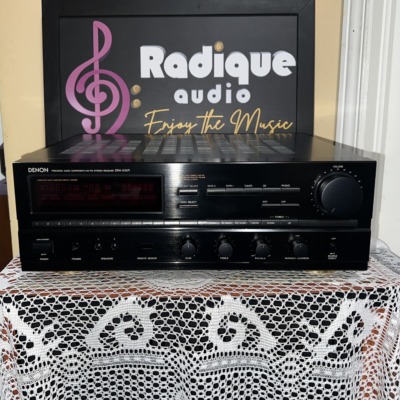
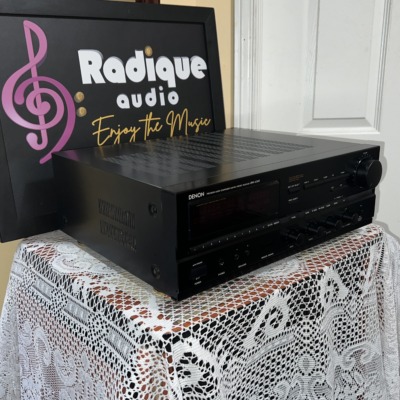
Denon DRA-835R Vintage Stereo Receiver – 100 WPC, Made in Japan
The second-from-the-top model in Denon's early-nineties stereo receiver range, made in Japan and in very good condition, with 100 watts per channel, a phono stage, motorized volume and its original remote.
✔️ Very good condition — free of significant marks
✔️ 100 WPC, MM phono and motorized volume — made in Japan
✔️ Original Denon remote included
✔️ Covered by Radique Warranty
✔️ Includes Perpetual Trade-Back Program eligibility
✔️ Expertly packed for safe shipping
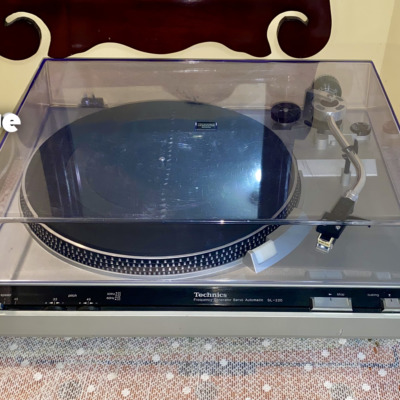
Technics SL-220 FG Servo Belt-Drive Turntable – Made in Japan
A late-1970s, made in Japan belt-drive Technics with a frequency-generator servo motor and an S-shaped arm, the quiet alternative to the direct-drive Technics everyone else buys. Choose a version for each deck's details.
✔️ Covered by Radique Warranty
✔️ Includes Perpetual Trade-Back Program eligibility
✔️ Curbside delivery along the Windsor–Québec City corridor, or pickup in Kanata
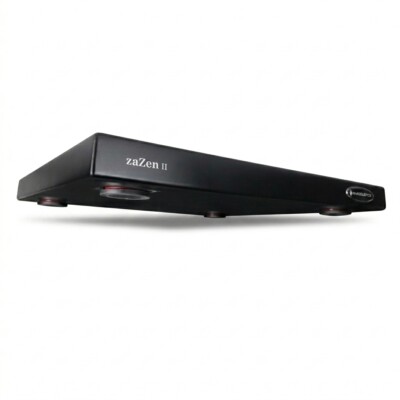
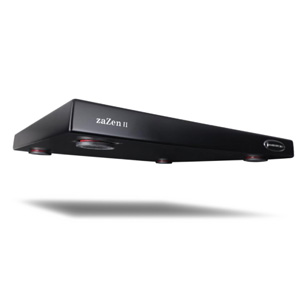
IsoAcoustics zaZen II Isolation Platform
- ✔️ Genuine IsoAcoustics, brand new, from an authorized Canadian dealer
- ✔️ Isolation platform for turntables and sensitive components up to 40 lb (18.1 kg)
- ✔️ 17 × 15 × 1.4 in (432 × 381 × 34 mm), dense fibre with built-in isolators
- ✔️ Medium-gloss black finish
- ✔️ Pick up in Kanata by appointment, or shipped across Canada and internationally
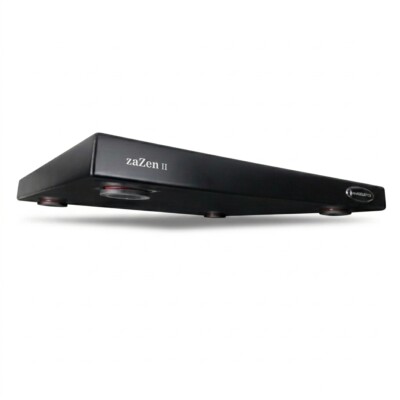
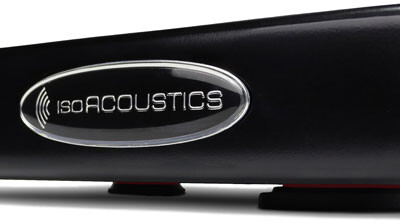
IsoAcoustics zaZen I Isolation Platform
- ✔️ Genuine IsoAcoustics, brand new, from an authorized Canadian dealer
- ✔️ Isolation platform for turntables and sensitive components up to 25 lb (11.3 kg)
- ✔️ 17 × 15 × 1.2 in (432 × 381 × 30 mm), dense fibre with built-in isolators
- ✔️ Medium-gloss black finish
- ✔️ Pick up in Kanata by appointment, or shipped across Canada and internationally


IsoAcoustics OREA Graphite Audio Isolation Foot (Single)
- ✔️ Genuine IsoAcoustics, brand new, from an authorized Canadian dealer
- ✔️ One isolation foot, rated 4 lb (1.8 kg); use three or more per component
- ✔️ Three carry 12 lb (5.4 kg), four carry 16 lb (7.2 kg)
- ✔️ Machined stainless steel, 1.6 in wide and 1.1 in tall (40 × 27 mm)
- ✔️ Pick up in Kanata by appointment, or shipped across Canada and internationally
Related Products
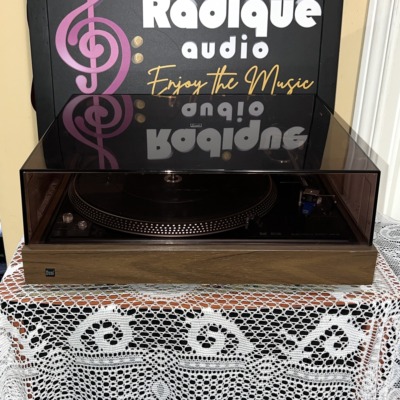
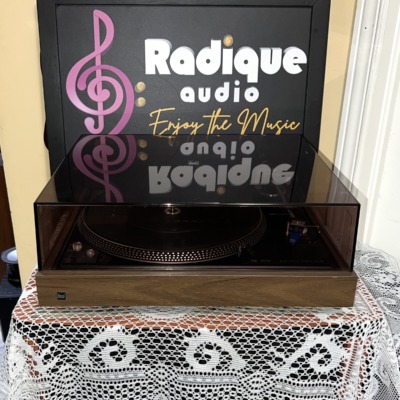
Dual 606 Direct-Drive Turntable – Made in Germany, Serviced
A German-made Dual 606 direct-drive turntable from around 1980, in a wood plinth with a polished dust cover, fully serviced by our turntable technician and in very good condition. It comes fitted with an Ortofon X1-MC moving-coil cartridge.
✔️ Very good condition — free of significant marks, smoked dust cover polished
✔️ Fully serviced by our turntable technician
✔️ Direct drive, a Dual ULM gimbal arm and an Ortofon X1-MC that plugs into any standard phono input
✔️ Covered by Radique Warranty
✔️ Includes Perpetual Trade-Back Program eligibility
✔️ Curbside delivery, local collection or freight within Canada
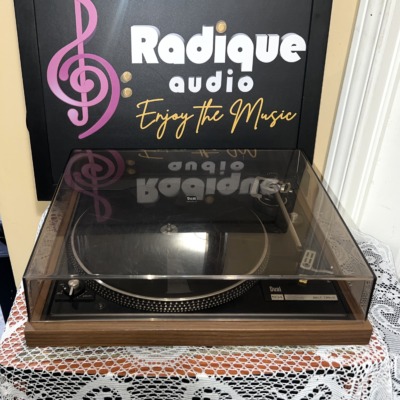
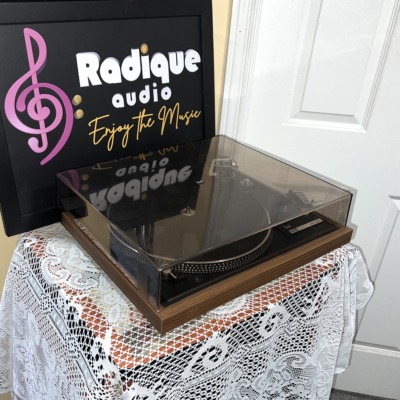
Dual 504 Belt-Drive Turntable – Made in Germany, Real Wood
A vintage Dual 504 belt-drive turntable, made in Germany in the late 1970s, in a real wood plinth in walnut with a smoked dust cover, fitted with an Ortofon FF15XE MkII cartridge, fully tested on our bench and in very good condition.
✔️ Very good condition — free of significant marks
✔️ Real wood plinth in walnut, with a smoked dust cover
✔️ Made in Germany, fitted with an Ortofon FF15XE MkII elliptical cartridge
✔️ Covered by Radique Warranty
✔️ Includes Perpetual Trade-Back Program eligibility
✔️ Curbside delivery, local collection or freight within Canada
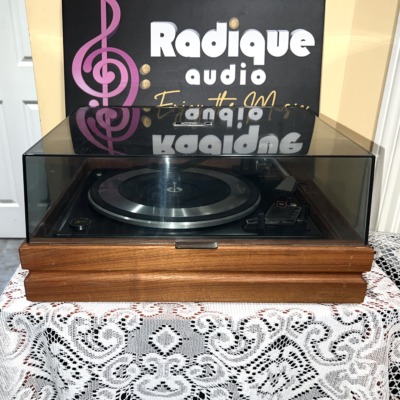
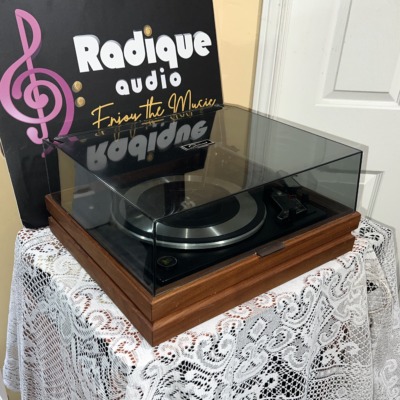
Garrard SL65B Idler-Drive Turntable – Made in England, Serviced
A Garrard SL65B automatic turntable from around 1970, made in England, in a real wood plinth with a lift-off dust cover. It has been fully serviced by our turntable technician and fitted with a new Audio-Technica stylus.
✔️ Very good condition — real wood plinth, polished lift-off dust cover
✔️ Fully serviced by our turntable technician, new Audio-Technica stylus
✔️ Idler drive, fully automatic, plays 33⅓, 45 and 78 — made in England
✔️ Covered by Radique Warranty
✔️ Includes Perpetual Trade-Back Program eligibility
✔️ Curbside delivery, local collection or freight within Canada
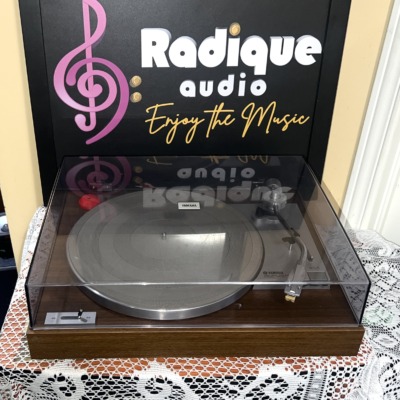
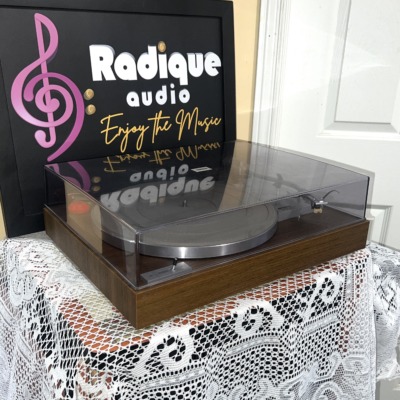
Yamaha YP-211 Belt-Drive Turntable – Made in Japan
A Yamaha YP-211 belt-drive turntable from the late 1970s, made in Japan, fitted with a Shure cartridge, tested on our bench and in very good condition.
✔️ Very good condition — hinged dust cover on good hinges
✔️ Belt drive with auto-return, tested on our bench
✔️ Shure cartridge fitted — made in Japan, late 1970s
✔️ Covered by Radique Warranty
✔️ Includes Perpetual Trade-Back Program eligibility
✔️ Curbside delivery, local collection or freight within Canada
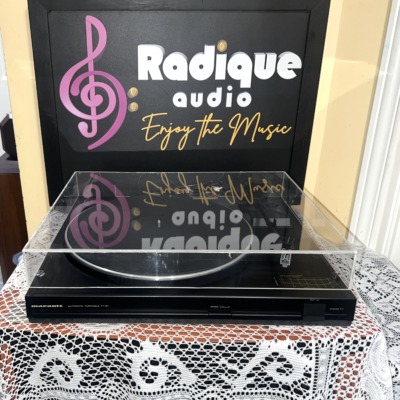
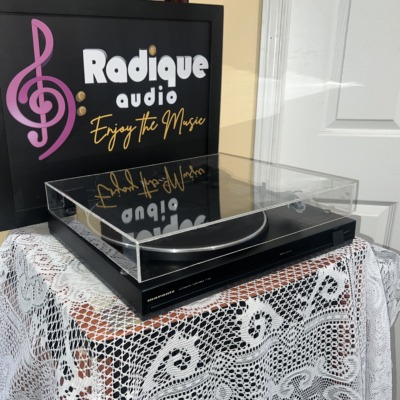
Marantz TT151 Belt-Drive Turntable – 1980s, Serviced
A Marantz TT151 belt-drive turntable from the mid-1980s, fully serviced, with a new hinged dust cover and a new Audio-Technica cartridge and stylus. It is in very good condition.
✔️ Very good condition, with a new hinged dust cover
✔️ Fully serviced: new belt, new Audio-Technica cartridge and stylus
✔️ Belt drive with auto-return, P-mount — easy to live with
✔️ Covered by Radique Warranty
✔️ Includes Perpetual Trade-Back Program eligibility
✔️ Curbside delivery, local collection or freight within Canada
