
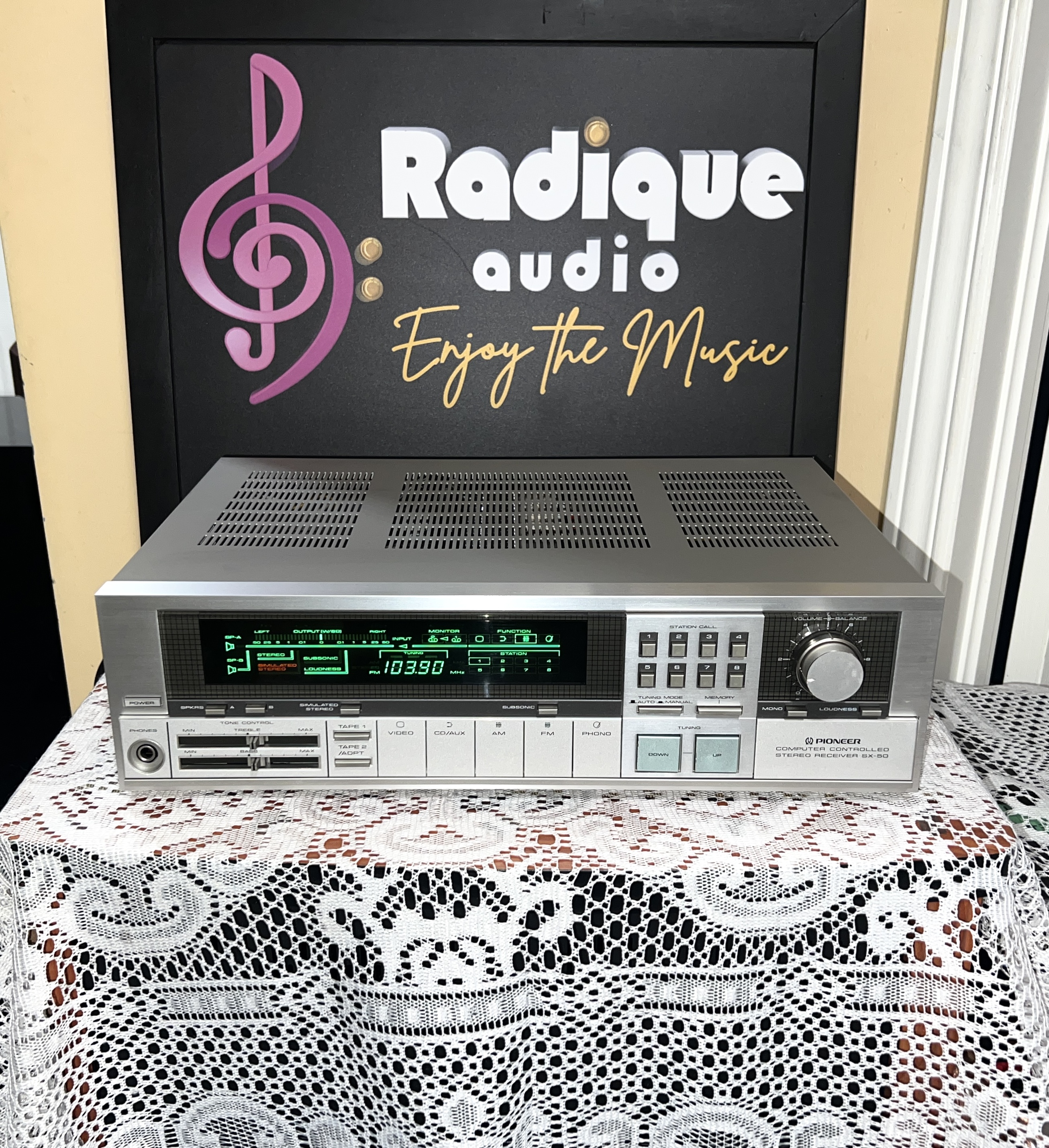
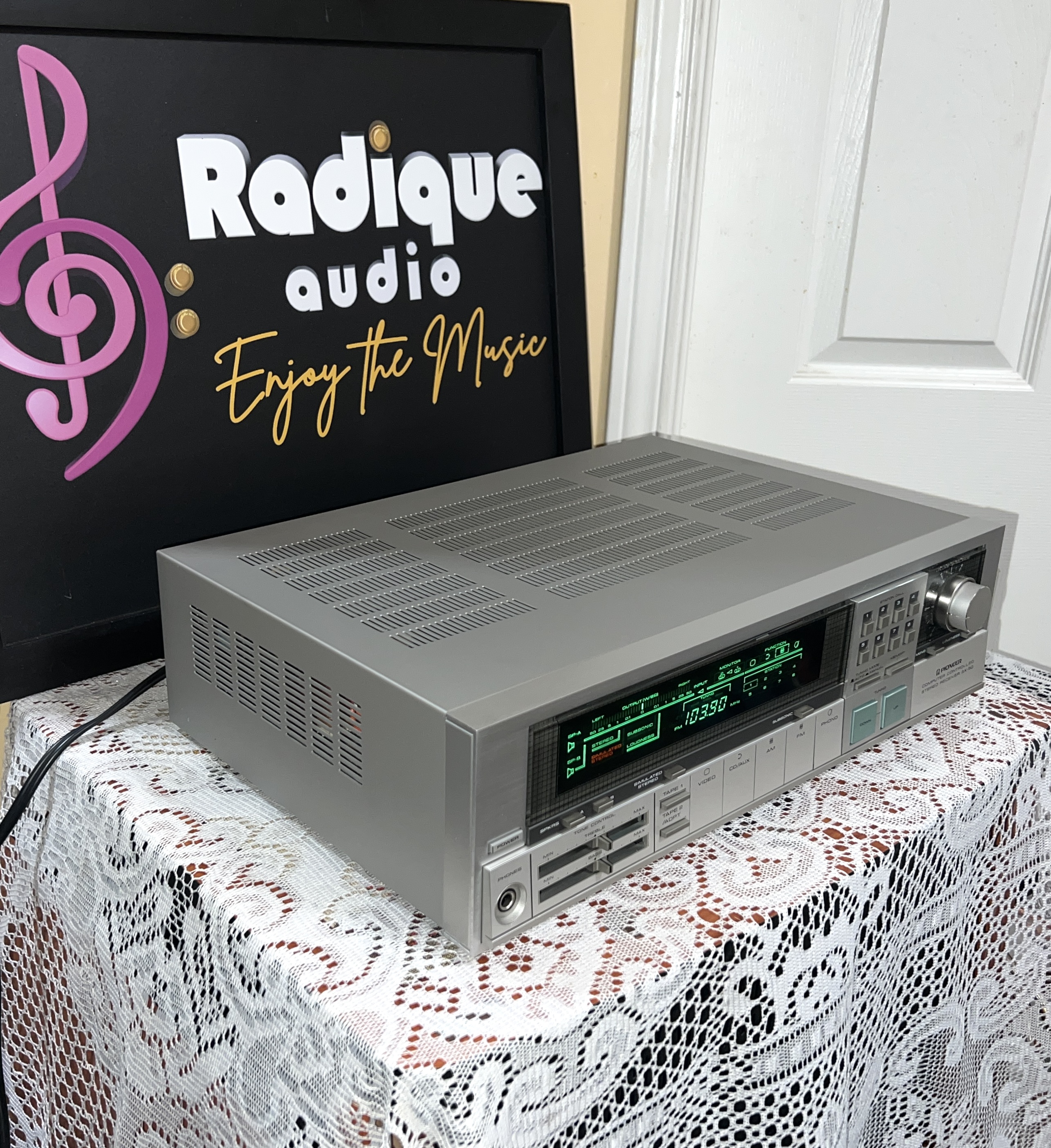



Pioneer SX-50 Vintage Stereo Receiver – 50 WPC, Silver Face
$295.00
Consignment piece. We sell it on behalf of its owner, and it's covered exactly like everything else we sell: inspected and serviced as required, and backed by our Bumper-to-Bumper Warranty and Perpetual Trade-Back Program. The one difference: it isn't eligible for Cue It Up layaway.
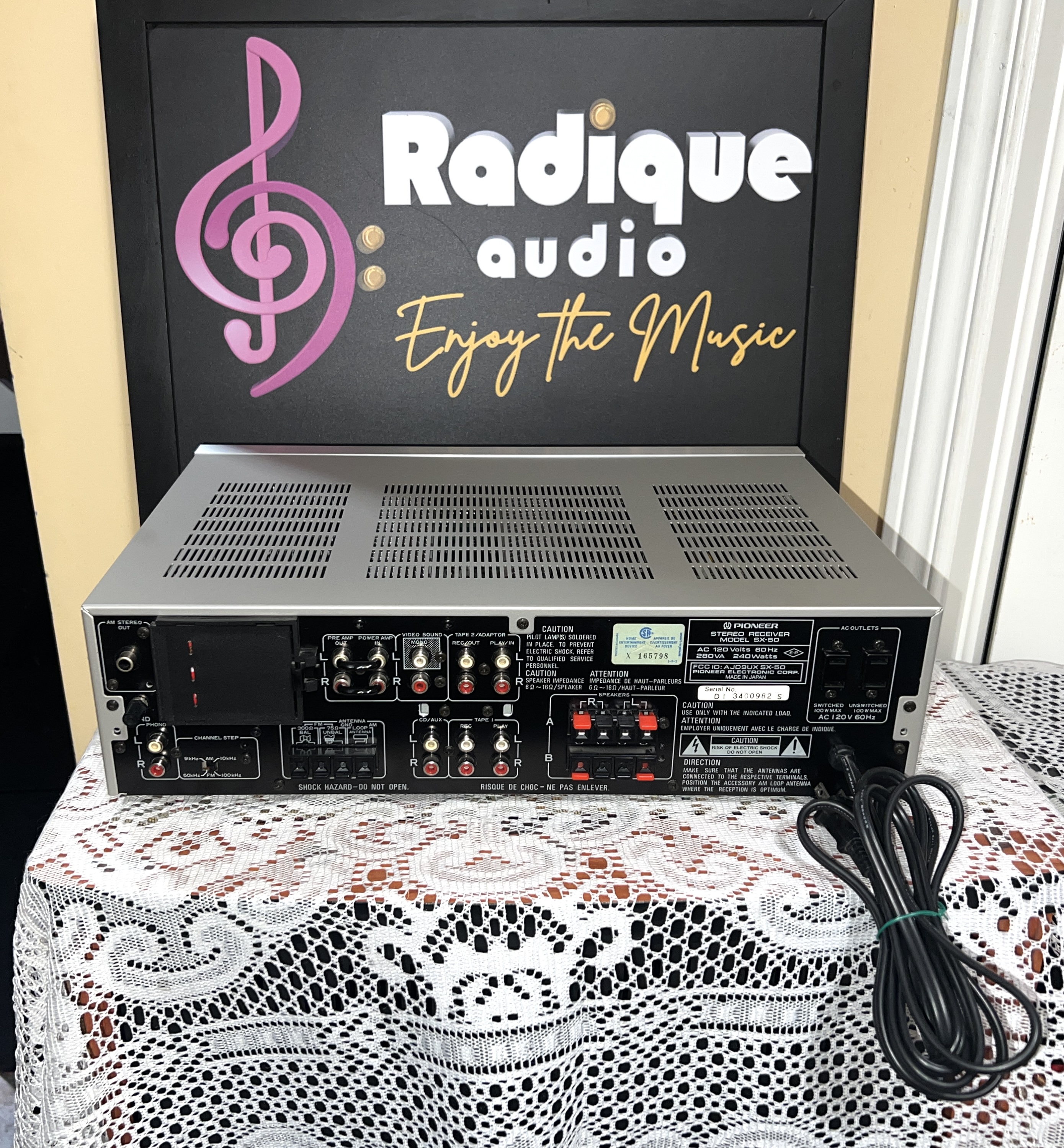
Fifty watts a channel into 8 ohms at 0.007% distortion, and — unusually for a receiver this size — pre-out and main-in jacks on the back, so it can feed a subwoofer, take an equalizer in the loop, or hand off to a larger power amp. Introduced in 1983 with switchable CD and TV audio inputs, presets held by three AA cells, and the silver face of the decade that was ending. Graded Very Good.
1 in stock
Pioneer SX-50 — Silver Face, Pre-Outs, and the Year Hi-Fi Changed
A silver-face Pioneer built at the exact moment hi-fi changed over, with preamp outputs that make it far more flexible than most receivers of any era.
Pre-Outs — The Feature That Matters
Start with the feature that matters most. The SX-50 has pre-out and main-in RCA jacks on the back, and that single detail changes what this receiver can be. Add a subwoofer with a proper high-level feed rather than a compromise. Use the SX-50 as a preamplifier and run a larger power amplifier when you want more. Or insert an equalizer into the signal path between the two. Most receivers give you a fixed box; this one gives you a system that can grow. Pre-outs on a modest receiver were unusual then and are close to extinct now.
Specifications in Context
The specifications are better than the modest size suggests. Fifty watts per channel into 8 ohms, total harmonic distortion of 0.007%, and frequency response from 5 Hz to 100,000 Hz. That distortion figure is genuinely low and reflects where amplifier design had arrived by 1983 — this is a receiver from after the specification wars were settled, built to a standard rather than to a headline number.
Timing, and That Face
What makes it interesting is its timing, and its face. Inside, the SX-50 was designed as the compact disc arrived, with switchable inputs for CD and for television audio at a point when neither was standard. Station memory is held by three AA batteries so presets survive a power cut, there are two switched AC outlets for other components, and it drives two pairs of speakers. Outside, it still wears the silver face of the era that was ending. That combination — the look people collect, the engineering that came after — is genuinely uncommon, and it is why these have quietly become interesting.
Character — An Honest Note
Be straightforward about character. The SX-50 is described by owners as clean rather than warm. If you are chasing the thick, syrupy sound of a 1970s receiver, this is not that, and we would rather point you at one of those. What this does instead is get out of the way, which is exactly what you want when it is feeding a subwoofer or a separate power amplifier. The tuner is capable in areas with decent signal.
Connections
Speaker and antenna connections are terminal strips with clamp connectors, taking bare wire or pin connectors — our Radique Audio Gold Plated Pin Connectors are an ideal match and make connection considerably easier.
Condition
Cosmetically graded Very Good, and we don’t hand that rating out casually. Thoroughly inspected and tested in-house and working perfectly.
A capable and unusually flexible receiver from the year everything changed, and one that will still be useful long after most receivers of its age have been outgrown.
Pioneer SX-50 Specifications
- Design: FM/AM computer controlled stereo receiver
- Power output: 50 watts per channel into 8 ohms
- Total harmonic distortion: 0.007%
- Frequency response: 5Hz-100,000Hz
- Signal to noise ratio: 80dB (magnetic phono), 95dB (line)
- Input sensitivity: 2.5mV (magnetic phono), 150mV (line)
- Pre-amplifier output / main amplifier input: RCA, switchable
- Speaker outputs: Two pairs, terminal strip clamp connectors
- Memory backup: Three AA batteries for station presets
- Other: Two switched AC outlets, CD and TV audio inputs
- Finish: Silver
- Year of introduction: 1983
- Dimensions: (Width x Height x Depth) 16.54 x 4.72 x 12.24 inches (420 x 120 x 311 mm)
- Weight: 15.9 lbs (7.2 kg)
⚠️ Important Information for International Buyers
This unit is configured for North American 110/120V power. Buyers outside North America will require a step-down transformer and appropriate plug adapter.
✅ Buy With Confidence — The Radique Promise
Backed by Radique Audio’s Bumper-to-Bumper Warranty and our Perpetual Trade-Back Program. When you’re ready to move on, we’ll take it back. That’s the Radique difference.
📦 Watch how we protect your gear — our unboxing video.
📺 Curious about our business? Check out our YouTube channel for behind-the-scenes videos and more!
📞 Questions? Use the Ask a Question button above, or call us at 613-416-9995.
| Weight | 18 lbs |
|---|---|
| Dimensions | 16.24 × 20.54 × 8.72 in |
You may also like…
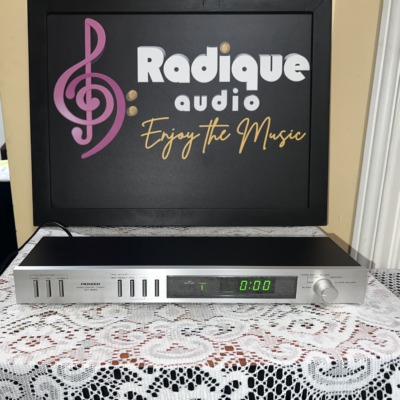

Pioneer DT-540 Audio Digital Timer – Made in Japan, 1983
Two switched AC outlets on a 24-hour schedule, accurate to a tenth of a second against line frequency, with a sleep function and a fluorescent display tube. Rated to 500 watts total — enough for a receiver, deck, turntable and tuner, but not a large power amplifier. Full component width at 16.5 inches. Very good condition, timer and clock both confirmed working.
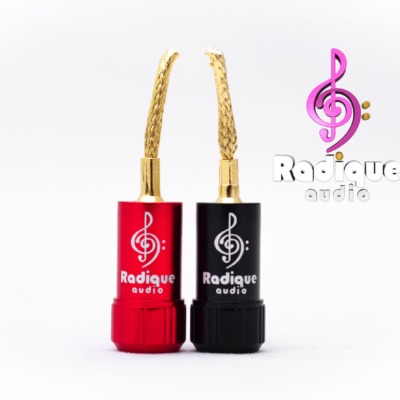
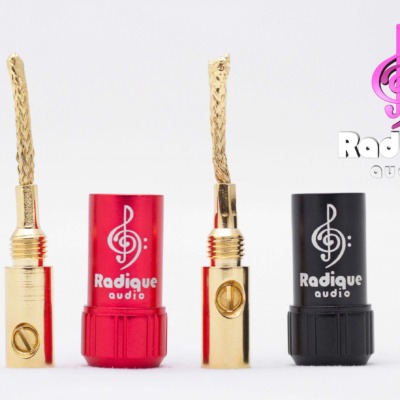
Gold Plated Pin Connectors – Flexible Pins, Radique Audio
Made for spring clips and guillotine terminals, where bare wire frays and works loose. The pin flexes rather than sitting rigid, so it does not lever on a forty-year-old terminal, and two set screws hold the wire instead of one. Takes 12 to 18 AWG — 12 is a tight fit. Colour-coded non-conductive jackets and a textured grip. Sold in 1, 2, 4 or 10 pairs.
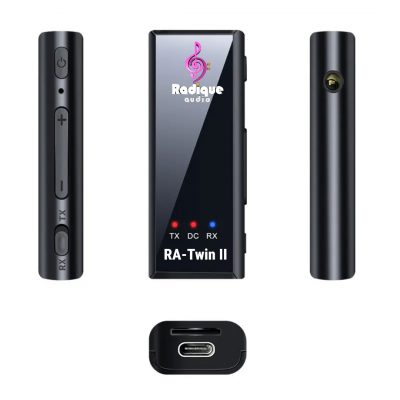
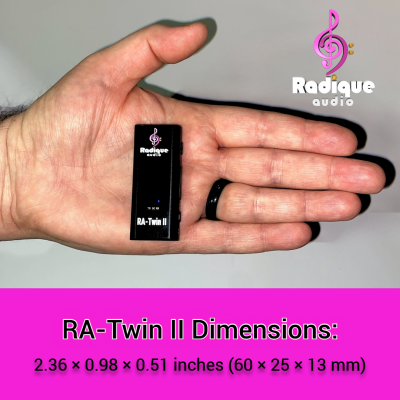
RA-Twin II Bluetooth Adapter for Vintage Stereo – Receiver & Transmitter
Add Bluetooth to any vintage stereo, amplifier or car stereo, or send your TV or stereo to Bluetooth headphones. Tiny but mighty, and set up in minutes.
- RX, TX and Mobile (microSD) modes
- Bluetooth 5.4, up to 10 m range
- Up to 10 hours per charge, USB-C
- Clear online manual in English & French
- 1-year warranty, Ottawa-based support
Related Products
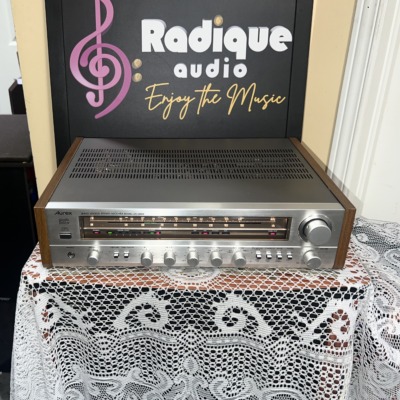
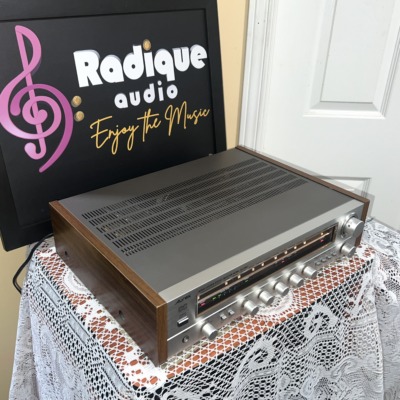
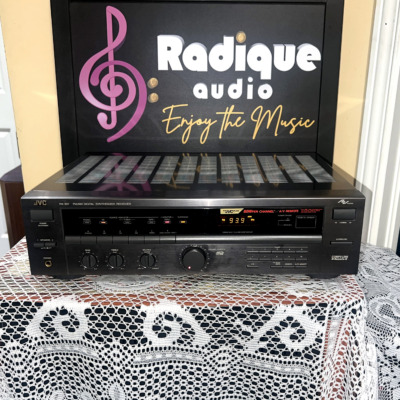
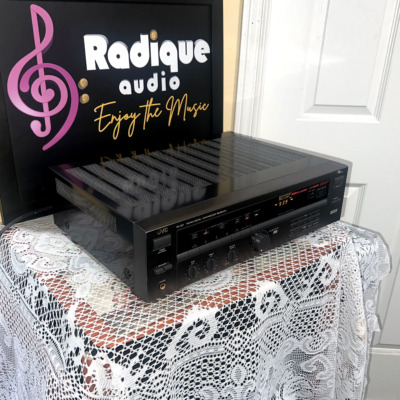
JVC RX-307 Stereo Receiver – 80 WPC, Original Remote & Manual
Eighty watts a side, a proper phono input, and the two things these almost never come with any more: the original remote and the printed manual.
✔️ Condition: Very Good
✔️ Covered by Radique Warranty
✔️ Includes Perpetual Trade-Back Program eligibility
✔️ Expertly packed for safe shipping
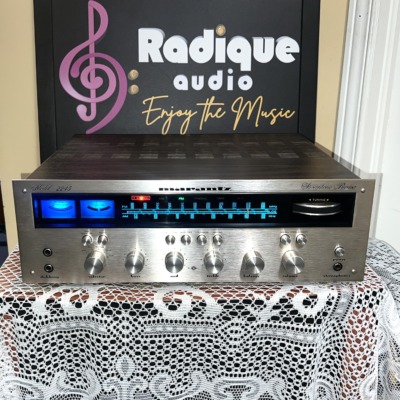
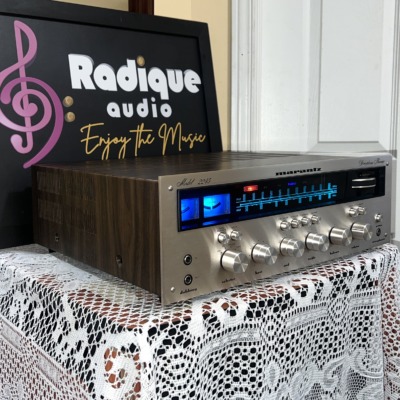
Marantz 2245 Vintage Stereo Receiver – 45 WPC, Level 1 Serviced
A Marantz 2245 from the golden age of the receiver, serviced on our bench and wearing its original Marantz case.
✔️ Condition: Very Good — original vented woodgrain case, sound
✔️ Level 1 service on our own bench, with post-service testing
✔️ 45 WPC · MM phono stage · tape loop · pre-out / main-in · two speaker pairs
✔️ Made in Japan — confirmed on the rear rating plate
✔️ Covered by Radique Warranty
✔️ Includes Perpetual Trade-Back Program eligibility
✔️ Ottawa Valley cherry cabinet available to order
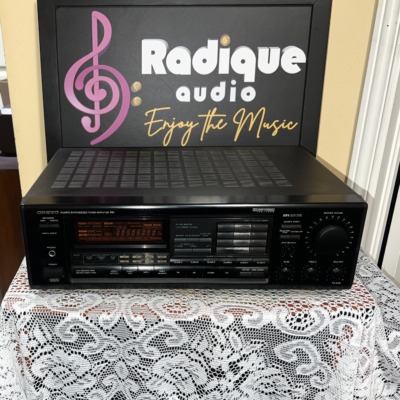
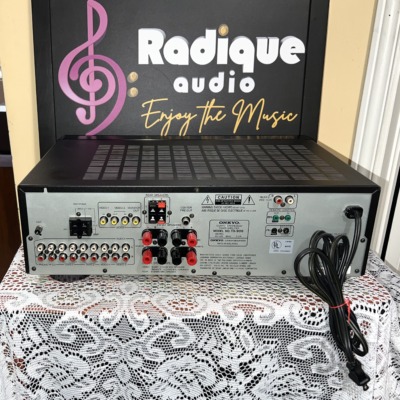
Onkyo TX-906 Stereo Receiver – 80 WPC, Dolby Pro Logic
An early-nineties Onkyo receiver with real power behind it and a phono input for your turntable, through our Level 1 service and playing as it should.
✔️ Good condition — works as it should; the black cabinet and faceplate present well
✔️ Through our Level 1 service — cleaned, deoxidized, checked and thoroughly tested on our bench
✔️ Phono input for your turntable, plus CD and two tape inputs
✔️ Covered by Radique Warranty
✔️ Includes Perpetual Trade-Back Program eligibility
✔️ Expertly packed for safe shipping
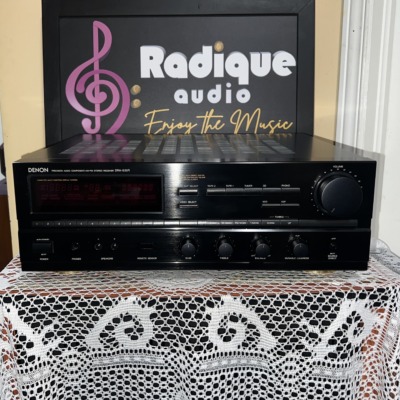
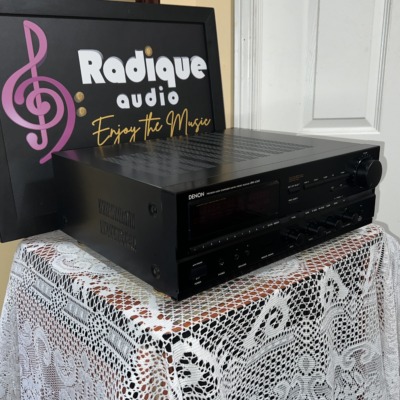
Denon DRA-835R Vintage Stereo Receiver – 100 WPC, Made in Japan
The second-from-the-top model in Denon's early-nineties stereo receiver range, made in Japan and in very good condition, with 100 watts per channel, a phono stage, motorized volume and its original remote.
✔️ Very good condition — free of significant marks
✔️ 100 WPC, MM phono and motorized volume — made in Japan
✔️ Original Denon remote included
✔️ Covered by Radique Warranty
✔️ Includes Perpetual Trade-Back Program eligibility
✔️ Expertly packed for safe shipping
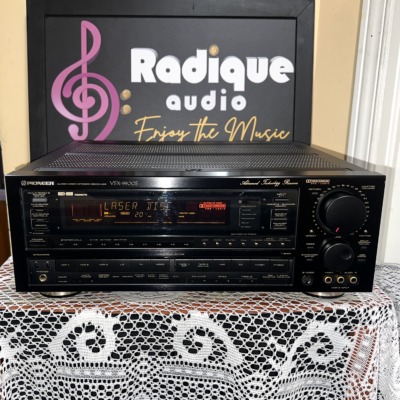
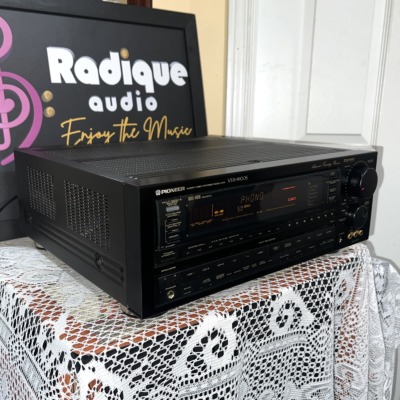
Pioneer VSX-9900S Stereo Receiver – 125 WPC, Phono, 110–240V
A big, heavy early-nineties Pioneer receiver, made in Japan, with 125 watts per channel and selectable mains voltage from 110 to 240 volts, so it runs on household power almost anywhere in the world. It comes with a phono stage for your turntable and its original remote, through our Level 1 service and in good condition.
✔️ Good condition, with the original Pioneer remote
✔️ 125 watts per channel, MM phono and selectable 110–240 V mains
✔️ Radique Level 1 service, bench-tested twice before listing
✔️ Covered by Radique Warranty
✔️ Includes Perpetual Trade-Back Program eligibility
✔️ Expertly packed for safe shipping
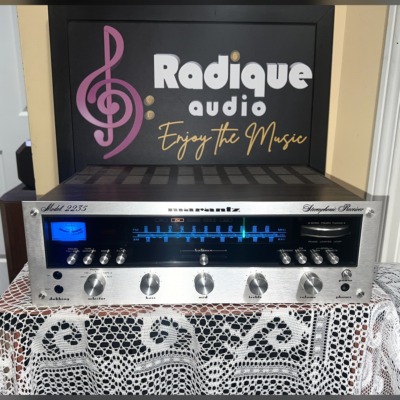
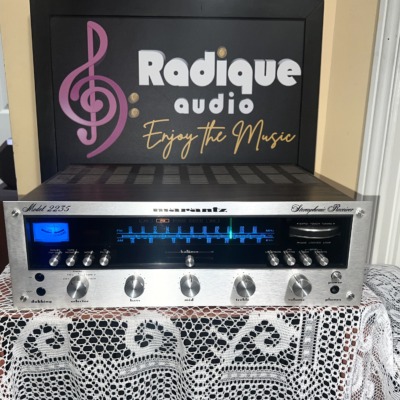
Marantz 2235 Vintage Stereo Receiver – 35 WPC, Made in Japan
A Marantz 2235 from the golden age of the receiver, designed in the USA and made in Japan in the mid-1970s, in its original woodgrain case or in a cherry cabinet built in our own shop. It has been through our Level 2 service and is in very good condition.
✔️ Very good condition: its original Marantz woodgrain case, or a new Radique Audio cherry cabinet
✔️ Radique Level 2 service, every input, output and control tested
✔️ 35 WPC, MM phono, bass/mid/treble — designed in the USA, made in Japan
✔️ Covered by Radique Warranty
✔️ Includes Perpetual Trade-Back Program eligibility
✔️ Expertly packed for safe shipping
